
sour lollies
now browsing by tag
What Makes Sour Lollies Sour?
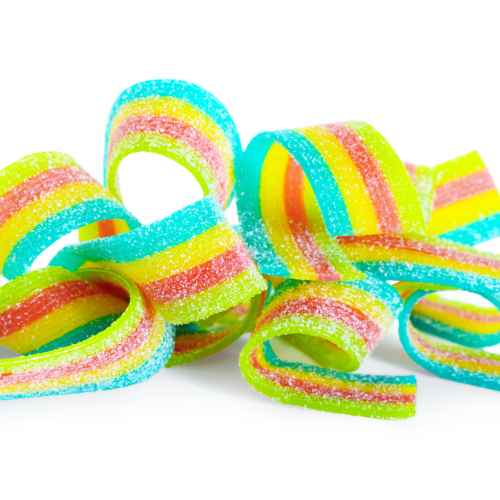
You unwrap a vibrant, sugar-dusted lolly, pop it in your mouth, and suddenly, there it is—an electrifying tang that makes your taste buds tingle. Sour sweets have a way of surprising, satisfying, and even challenging us with their sharp flavours. But what exactly causes that signature sourness? It turns out, the science behind sour lollies is just as fascinating as the experience of eating them.
The Key Ingredients That Bring the Sour
If you’ve ever wondered why sour lollies are so tangy, the answer lies in their ingredients. Specifically, the sourness comes from acids—don’t worry, these are safe, food-grade acids that are commonly found in nature and in many of the foods we enjoy.
The most commonly found acids in sour sweets are citric acid, malic acid, and tartaric acid, with lactic acid occasionally present.
Citric Acid
Found naturally in citrus fruits like lemons and limes, citric acid delivers a sharp, zesty punch. It’s one of the most common ingredients in sour lollies because it creates an unmistakable tang.
Malic Acid
Known as the culprit behind the sourness of green apples, malic acid gives an intense, lingering sourness. This is what you’ll often find in “extremely sour” lollies like Warheads.
Tartaric Acid
Derived from grapes and tamarinds, tartaric acid has a dry, puckering quality. It plays well as a secondary acid to complement citric or malic acid.
Lactic Acid
Although it’s better known for its role in dairy products, lactic acid provides a gentle sour note. It typically acts as a milder alternative in certain sweets.
When these acids are used in the right proportions, they create the mouth-puckering sensation that defines sour lollies. But why do they make your taste buds react this way?
The Science of Sourness
Sourness isn’t just a flavour—it’s a science experiment happening right on your tongue. Your mouth can detect sourness thanks to hydrogen ions. Here’s how it works.
How Sourness is Perceived
When you eat sour lollies, the acids release hydrogen ions as they dissolve in your saliva. These ions interact with specific receptors on your tongue’s taste buds. The more hydrogen ions there are, the more intense the sour flavour becomes. Essentially, your tongue is sensing the solution’s acidity, which is measured using pH levels. The lower the pH, the sourer the treat.
The Extra-Sour Factor
Ever tried a lolly so sour it made your eyes water? That’s the result of high concentrations of acids, especially malic acid. Some brands go the extra mile by layering their lollies with super-sour powdered acid on the outside, giving you a powerful tang as soon as the lolly comes into contact with your tongue.
The Powdered Acid Coating That Packs a Punch
Picture this: you pop a sour lolly into your mouth, and immediately, there’s an explosion of tartness. That’s thanks to the powdered acid coating that’s carefully applied during production.
Burst of Tang
When manufacturers want to give their lollies an extra wow factor, they coat them with a layer of powdered acid—usually a mix of citric and malic acids. This fine powder dissolves quickly when it touches your saliva, delivering an intense, fleeting burst of sourness.
How Texture Plays a Role
The impact of the sour coating also depends on the lolly itself. For example:
- Hard lollies offer a slow release of their sour flavour as they dissolve gradually.
- Gummy or chewy lollies have a texture that combines the initial tang of the coating with a softer, sweeter flavour inside, keeping you hooked.
That balance of sweet and sour is no accident. It’s carefully engineered to make sure the overall taste is delicious, not overwhelming.
Why Do We Love Sour Lollies?
Now that we know how they are made, the next question is—why do we love them so much? It’s not just about the flavour; there’s a mix of psychology, nostalgia, and thrill that makes sour lollies irresistible.
The Thrill of the Challenge
Many of us have a love-hate relationship with sour lollies. The extreme puckering sensation can be a challenge, and for some, that’s the whole point. Trying to outlast friends in a “sour contest” or seeing who can handle the most sour lolly is just plain fun.
Nostalgia and Playfulness
For many Aussies, sour lollies evoke memories of childhood trips to the corner shop, sharing treats with friends, or surviving that first bite of an overpoweringly sour Warhead. They’re not just lollies—they’re little bites of nostalgia.
The Perfect Balance
Finally, there’s something uniquely satisfying about the balance between sweet and sour. The sharp tang wakes up your taste buds, but it’s quickly followed by a sweet reprieve. That contrast makes every bite exciting.
Next time you pick up a sour lolly, take a moment to savour more than just the taste—think about the fascinating science and skill that goes into creating that perfect tang. From the acids that interact with your taste buds to the powdered coatings that amplify the experience, sour lollies are little marvels of confectionery artistry.
We have many sour lollies to choose from, so why not explore the range today?
This article was reproduced on this site with permission from operafoods.com.au the “Bulk Lollies Suppliers”.
See original article:- What Makes Sour Lollies Sour?
Why do we Like Sour Lollies so Much?
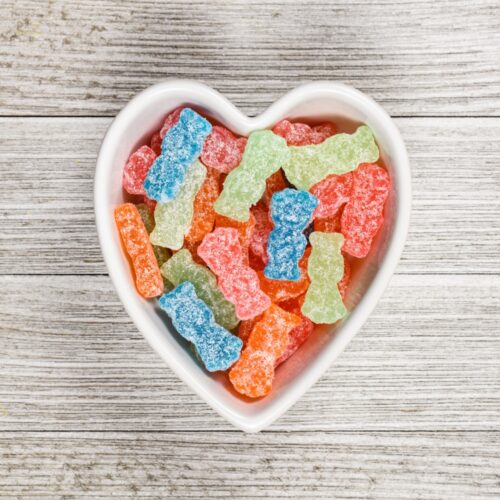
Sour lollies remain the most sought after sweet but just why do we like them so much?
Sour sweets range from the hard to the soft, with all kinds of chewy in between. Some are sour enough to melt your actual face off, whilst others are just pleasingly tangy.
One of life’s greatest mysteries (possibly) is why we get so much of enjoyment from something that is physically uncomfortable to eat?
Its all about sensation
Taste is a physical sensation. A reaction to certain triggers that activate our taste buds. Sour lollies are all about sensation; that journey from sour to sweet.
Although many of us enjoy the extreme sensation of the more hard core end of the candy spectrum, most of us can relate to the pleasure of sour jellies. There is just something about the initial hit of sour sugar on the tongue, that gives way to sweetness. It is a pleasing contrast, that also delivers a reward. A relief. And like a rollercoaster, or a spicy curry, it is so good that you want to go and do it all over again.
And then there is texture
If you have ever bitten your tongue, you will have first hand knowledge of the fact that the tongue is a hot bed of nerve endings. The way something feels in your mouth plays a massive part in your experience of it. Another layer of sensation is added.
In the case of sour jellies, it is again a multilevel game of contrasts. The crystalline sugar on the outside which ranges from the powdery to the positively granular (and in the best cases both) creates shapes against the tongue. They slowly (or quickly) dissolve, to reveal the softness of jelly underneath. And not just soft, but chewy. It is a complete playground in your mouth.
But what about the sour?
Most explorations of the effect of sour lollies are completely missing the point. Because, as we have seen, it goes beyond the sour. Yet it cannot be denied that the sensation part of the journey from sour to sweet is caused by the sour aspect of things.
Sour taste buds are activated by acids. Our intense reaction to sour foods can cause us to pucker our lips into grimace. It is partly learned response, partly chemical reaction.
There seems to be no evolutionary explanation for our love of sour, that does seem to diminish with age. We crave the calories that come with sweet tasting sugar, and the possibility of protein that comes with umami. We need salt to survive, whilst bitterness is usually a warning to steer clear. But sour? That remains a puzzle.
But sour is not just a one dimensional thing. Savvy sweetmakers use a number of different acids in their carefully guarded sour sugar recipes in order to get the most out their sour experience. Again, it is about creating sensations that work on multiple levels.
The mildest acids used are citric acid (from lemons) that gives a sharp and bright short lived shot, and ascorbic acid (vitamin C) that is mildly fizzy. Malic acid (from green apples) with its sour slightly astringent taste lasts for longer. Tartaric acid, from lemons and bananas (if you think that’s odd, think green banana) strips the moisture from your mouth.
Don’t forget astringency
Astringency is often related to sourness, yet something does not have to be sour to be astringent. It is the sensation of having your mouth stripped of all its saliva. The truly lip puckering. This has nothing to do with the reaction of taste buds to acid and is an entirely different reaction in itself. Think of strong black tea, or the skin of grapes.
So it would seem that the reasons behind our enjoyment of sour sweets is more than just an exploration into the science of sour. And more about the seeking of sensation plus the promise of reward.
Explore our range of sour lollies available to buy in bulk online now.
If you are planning an event and want to include lollies in your theme then our guide to lollies is a good place to start. We stock a huge range of bulk lollies to buy online so there is something to suit every occasion.
This article was reproduced on this site with permission from operafoods.com.au the “Bulk Lollies Wholesale”.
See original article:- Why do we Like Sour Lollies so Much?
Pucker up for sour lollies

Sour lollies are one of the most sought after sweets in Australia. Just sweet enough, yet shockingly sour, it seems we can’t enough of sweet and sour lollies.
A taste for sour candy
Invented in the 1970’s, around since the ’80s, and part of every 90’s childhood, sour sweets are universally popular. Some are head-blowingly extreme whilst others are just lip-puckeringly sharp. Many are quite mild and just pleasingly fizzy on the tongue. All about sensation, they all take us on a journey from sour-to-sweet.
With most sour sweets the sourness is in the outside powdery/sugary coating. In some, such as the old school acid drop, the sourness is inside the sweet itself. Sour candy comes as both the jelly/gummy variety and also as hard boiled sweets. Sour jelly sweets are what we tend to think of when we refer to sour lollies. They almost always feature a sour sugar coating and a soft fruity jelly inside. It is this that creates the effect of sweet after sour.
So what makes sour candy sour?
All sour sweets have a mixture of acids in their sugar coating, known in the trade as sour sugar. Which is fair enough. There are a number of acids used in sweet manufacturing and they all have different flavour profiles, with varying levels of sourness, bitterness and astringency. It is the interplay of these various acids that makes all sour candies feel different on the tongue. Each brand will have its own well guarded secret recipes.
Citric acid provides a burst of sour tang that doesn’t last very long on the tongue. Found in lemons and limes, it is sharp and bright.
Malic acid is said to be longer and smoother on the tongue, also acting as a flavour enhancer that boosts the sweet fruity flavour. This is the acid found in green apples. Some of the extreme sour sweets use malic acid coated in oil so that it takes longer to appear on the tongue. Kind of like a slow release effect.
Tartaric acid is found in bananas and lemons. Moderately sour, it is the most astringent of the acids used in confectionary. It is that dry mouth puckering feeling like you get from raw rhubarb or strong tea.
Fumaric acid is strong and sour. It lasts longer on the tongue as it dissolves more slowly.
Ascorbic acid, also known as vitamin C, is also used. It is mildly fizzy on the tongue.
One of the five tastes (actual physical sensations triggered via receptors in the mouth) sour is activated by the acids in food. They quite literally make your mouth water.
Why does my tongue hurt after eating sour candy?
Most sour candy won’t hurt your tongue, yet extreme sour candy can irritate your tongue and the lining of your mouth. So much so that some even carries a warning label. The burning sensation is down to the acids; much like eating super strong salt and vinegar crisps.
If you do indulge in some extreme candy eating (or crisp eating for that matter) then cold milk, yoghurt, or ice cream will help to soothe the burn.
We think eating sour lollies should be lip puckeringly pleasant, not a hazard to your oral health. Here’s our pick of the best sour lollies suitable for everyone…
The best sour lollies for your lolly buffet
Sour cola lollies
Everybody’s favourite – you can’t go wrong with sour cola lollies.
Sour heart lollies
Soft, squishy, AND sour. Our sour heart lollies are pretty in pink, but we also sell blue sour lollies too.
Sour mix lollies
A bumper bag of party mix sour lollies is the simplest and most effective way to buy sour lollies in bulk. They are also gluten-free. We know this can be a minefield, so we wrote this post on choosing gluten-free lollies to make things a bit clearer. You’re welcome.
If you are planning a party or special event, you don’t want to miss our tips and tricks on how to make a lolly buffet.
Why not explore our range of sour lollies online? Get all your bulk lollies for a lolly buffet at wholesale prices here.
This article was reproduced on this site only with permission from operafoods.com.au the “Online Wholesale Lolly Shop”. See original article:- Pucker up for Some Sour Lollies. The Lolly Shop is a wholly owned subsidiary of Opera Foods PL.