
gluten free lollies
now browsing by tag
Does Chocolate Contain Gluten?

For many of us, chocolate is right up there with life’s greatest pleasures. But when you’re following a gluten-free lifestyle, enjoying your next block or bar comes with a few important questions. Chief among them: Does chocolate contain gluten? If you’ve ever stood in the confectionery aisle, squinting at ingredient lists and allergen labels, you’re not alone.
In this post, we’ll examine whether chocolate contains gluten and what you need to know to make informed choices about your favourite sweet treat.
What’s in Chocolate – The Basics
Let’s start with the building blocks. Good chocolate, whether it’s dark, milk, or white, is usually made with just a handful of ingredients.
- Cocoa beans (roasted and ground into cocoa mass)
- Cocoa butter
- Sugar
Sometimes you’ll also find milk solids (in milk and white chocolate), vanilla, or emulsifiers like soy lecithin – none of which typically contain gluten. In theory, pure chocolate should be safe.
But here’s where it gets tricky. Chocolate is a bit like a blank canvas, ready to be painted with new flavours, fillings, and textures. When manufacturers add things like biscuit pieces, crispy cereals, or nougat, it’s easy to see how gluten sneaks in. Some chocolates even use barley malt as a sweetener or flavouring, which is another source of gluten.
And of course, we haven’t even started on the complications of cross-contamination.
Cross-Contamination and Gluten Risks in Chocolate
So what exactly is cross-contamination, and why is it such an issue for anyone avoiding gluten?
Simply put, cross-contamination occurs when gluten-free foods come into contact with something that contains gluten. In chocolate factories, it’s sometimes impossible to avoid, especially if a facility makes a wide range of products — imagine chocolate bars with biscuit inclusions being made on the same production line as plain dark chocolate. Even a minuscule amount of gluten can cause trouble for someone with coeliac disease.
Picture this scenario: A chocolatier runs dark chocolate bars in the morning, and then switches to a line of cookies & cream pieces (packed with wheat-based biscuits) in the afternoon. Unless a deep clean happens, traces of gluten could end up in that plain dark chocolate, even if wheat isn’t one of the ingredients.
Even packaging and storage can be an issue — shared bins or trays can introduce gluten into previously safe products. That’s why many chocolate wrappers in Australia carry statements like “may contain traces of gluten” or “manufactured on equipment that processes wheat.”
So, what can you do? As always, the advice is to always read the label even if you have bought that product before.
Australian Gluten-Free Labelling Laws
Under the Food Standards Australia New Zealand (FSANZ) code, a product can only be labelled “gluten-free” if it contains no detectable gluten, currently set at less than 3 parts per million (ppm). This is one of the most rigorous thresholds in the world, making it easier for people with coeliac disease or severe gluten sensitivity to find products they can enjoy with confidence.
The Importance of “Low Gluten” vs “Gluten-Free”
You might see some chocolates labelled “low gluten.” Be cautious! Under Australian law, these can contain up to 20 ppm of gluten. While this is still a very small amount, it’s too high for many people with coeliac disease and is more suitable for those with a mild gluten intolerance.
Always look for the explicit “gluten-free” label if you’re highly sensitive.
Decoding Chocolate Labels: What to Look For
Next time you’re treating yourself, here’s what you should keep an eye on.
Gluten-Free Certifications: Some products carry logos or certifications from trusted organisations, like Coeliac Australia. These are your safest bet.
Ingredients List: Go beyond the bold allergens and scan for hidden culprits like barley malt extract, wheat glucose syrup, or wheat starch. While some wheat-based ingredients can be processed to remove gluten, not all are considered safe under FSANZ rules.
Advisory Statements: If a packet says “may contain traces of gluten,” it’s a sign that cross-contamination is possible. For someone with coeliac disease, it’s usually best to steer clear.
What About ‘Made Without Gluten’?
Let’s first be clear here: ‘made without gluten’ is not something you will find on a label. But as more and more people are looking for products to suit a lifestyle choice, the distinction is important. If this is you, then chances are, for whatever reason, you choose to avoid wheat and other gluten-containing grains. Yet you are not sensitive enough to be worried about cross-contamination or derivatives.
For you, checking the label for wheat (and barley or rye where applicable) should be enough for you to steer clear. Gluten-free legislation and widening availability of gluten-free products that make foods safe for everyone are a huge step forward and deeply important. However, make no mistake that this is also big business, and by jumping on this lucrative bandwagon, you may be simply paying a premium for a product you don’t need.
Again, it is about getting into the habit of always reading labels and taking control over what ingredients are right for you.
Types of Chocolate and Their Gluten Risks
Let’s break down some common types of chocolate products and where gluten risks often pop up.
Plain/Dark Chocolate
More often than not, simple dark chocolate made with just cocoa solids, cocoa butter, and sugar (and perhaps a little vanilla or soy lecithin) is gluten-free, provided it’s manufactured in a gluten-free environment. Still, always read the labels and check for warnings about cross-contact.
Milk Chocolate
Similar to dark chocolate, basic milk chocolate usually avoids gluten, but always double-check! Some milk chocolates sneak in malt flavourings, which often contain barley.
Filled and Flavoured Chocolates
Here’s where you need to be extra cautious. Anything with crispy inclusions (like biscuits or wafers), caramel, nougat, or even “cookies and cream” varieties often has gluten-containing ingredients front and centre.
Chocolate Blocks vs. Bars vs. Novelty Items
Individual bars, boxed chocolates, or novelty shapes (think Easter eggs or Santas) could be made in facilities bustling with gluten ingredients. Plus, seasonal products sometimes use different suppliers or factories, so a brand’s regular line might be safe, but their holiday edition not so much.
Chocolate Coatings
Beware of anything coated in chocolate, like liquorice, nuts, or dried fruit. Even if the core ingredient is gluten-free, the coating or process may not be.
International Imports — Take Note
If you’re browsing the imported chocolate aisle, be extra diligent. International standards vary. For example, in the EU and USA, “gluten-free” can be up to 20 ppm of gluten, about seven times Australia’s threshold.
Sometimes recipes, suppliers, or cross-contact protocols are different for Australian versions of international chocolates, so be wary of online forums or overseas recommendations unless the product is also sold and labelled for the Australian market.
Is Cocoa Gluten Free?
Generally, cocoa powder is considered gluten-free because it is made purely from cocoa beans, which do not naturally contain gluten.
The process of grinding roasted cocoa beans into powder does not usually introduce any gluten-containing ingredients. However, it’s important to check for any added flavourings or sweeteners, as these can sometimes include gluten. As always, cross-contamination during manufacturing is another factor to consider, especially if the facility also processes products containing gluten.
For those with celiac disease or gluten sensitivity, opting for brands that clearly label their cocoa powder as gluten-free or use dedicated gluten-free facilities can provide extra peace of mind.
You can find out more about gluten in cocoa and why it is an invaluable ingredient, in our article ‘Is cocoa gluten free?‘.
Gluten-Free Chocolate: Frequently Asked Questions
Let’s tackle some common queries you might have:
Q: Can I trust chocolate labelled ‘gluten-free’ in Australia?
A: Yes, Australia’s labelling laws are very strict. If something is labelled gluten-free here, it meets the FSANZ standard of no detectable gluten.
Q: Are all dark chocolates gluten-free?
A: Not always! Many are, but some brands add malt, biscuits, or use shared lines with wheat products.
Q: What about hot chocolate powders or drinking chocolate?
A: Always check the label. Many contain malt (from barley) or are made in facilities that also process gluten-containing mixes.
Q: Which chocolate spreads are gluten-free?
A: Again, look for certified products. Many hazelnut spreads or chocolate nut butters are safe, but some cheap brands use wheat-based thickeners.
Q: Is white chocolate gluten-free?
A: Usually yes, if it’s just cocoa butter, sugar, and milk solids, but flavoured varieties or filled treats may contain gluten.
Final Thoughts
Living gluten-free shouldn’t mean missing out on life’s sweetest moments. Thanks to Australia’s rigorous food safety standards, clear labelling, and a supportive community of brands and consumers, there are more gluten-free chocolate options than ever before.
So next time you’re craving something sweet, you’ll know exactly what to look for—whether that’s a block of rich, dark chocolate or a tray of homemade truffles. Take a moment to savour your treat, knowing it’s safe and just right for you.
Explore our massive range of treats and lollies, some of which are certified gluten-free.
This article was reproduced on this site with permission from operafoods.com.au the “Bulk Lolly Suppliers”.
See original article:- Does Chocolate Contain Gluten?
Gluten Free Lollies For Kids
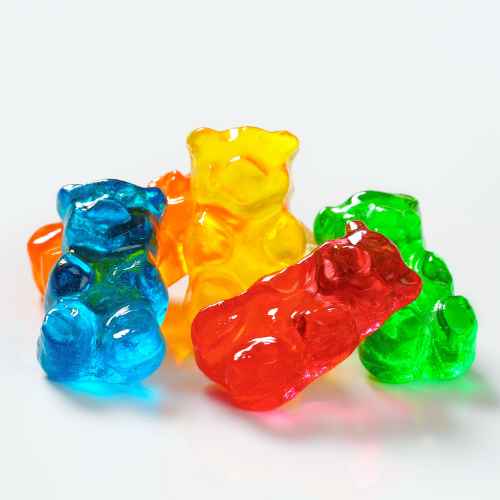
Your guide to the world of gluten free lollies. We’ll cover why they matter, and the benefits they bring. Plus plenty of tips to help you confidently choose treats that are both safe and fun for kids.
Finding delicious and safe treats for your little ones can sometimes feel daunting, especially if your child follows a gluten-free diet. For children with celiac disease, gluten intolerance, or sensitivities, avoiding gluten is a must to keep them feeling their best. But that doesn’t mean they must miss out on the joys of indulging in sweet treats!
Even if your own children aren’t gluten-free, parents everywhere will thank you for taking the time to consider those who are.
Why Choose Gluten-Free Lollies for Kids?
When your child follows a gluten-free diet, it’s more than just a lifestyle choice; it’s about their health and happiness. Whether it’s ensuring no upset stomachs, rashes, or unpleasant symptoms, gluten-free lollies allow kids to focus on enjoying their treats, not worrying about allergies.
As a parent, choosing the right snacks and treats is crucial. Imagine hosting a birthday party with bowls of colourful GF lollies. Not only do you promote inclusivity, but you create an environment where no child has to feel left out.
Above all, finding gluten-free lollies is about sharing the joy of sweets. There’s nothing quite like watching your child’s face light up as they dig into a sweet, sticky gummy or unwrap their favourite lolly.
Benefits of Gluten-Free Lollies for Kids
If you’re still unsure whether gluten-free treats are worth the bother, here are just some of the benefits to consider.
1. Health Benefits
Children with gluten intolerance or celiac disease experience adverse reactions even with a tiny bit of gluten. By choosing gluten-free, you’re protecting their health and ensuring they can enjoy their sweets without uncomfortable side effects like tummy aches or fatigue.
2. Peace of Mind for Parents
No parent wants to worry about whether their child’s lolly is safe to eat. GF lollies take the guesswork out of treat time. With clear labelling and trusted products, you can feel confident about what’s going into their little bodies.
3. Inclusion Matters
Kids want to fit in, especially at school parties or sports carnivals. Offering lollies without gluten ensures that children with dietary restrictions aren’t left on the sidelines while their friends snack away. It’s a small gesture that makes a big difference.
Safe Snacking Tips for Parents
Even in the world of gluten-free, it’s essential to stay vigilant. Here’s how you can ensure your child enjoys their treats safely.
1. Master the Art of Label Reading
Always check the labels of lollies before purchasing. Look for certified gluten-free markers, and avoid treats with ingredients like wheat, barley, rye, or malt. If a label isn’t clear, reach out to the brand’s customer service for confirmation.
2. Watch Out for Cross-Contamination
Even if a product is labelled gluten-free, cross-contamination during processing can pose a risk. Stick to brands that specialise in allergen-friendly products or are known for strict gluten-free production facilities.
3. Store Separately at Home
To keep gluten-free lollies safe, store them in sealed containers away from gluten-containing treats. Label them clearly to avoid any mix-ups, especially if you’re hosting guests or siblings who don’t follow a gluten-free diet.
Making Snacking Fun and Inclusive
Dietary restrictions shouldn’t feel like a burden—especially for kids. Here are some tips to make gluten-free snacking enjoyable and fuss-free for everyone involved.
- Be Creative: Present lollies in fun ways, like creating a lolly jar rainbow or making edible necklaces out of gluten-free rings.
- Host a Gluten-Free Party: Showcase diverse treats and gluten-free desserts that all your young guests can enjoy, regardless of preferences or allergies.
- Educate Loved Ones: Let close family and friends know the importance of gluten-free treats, so they can ensure your child is catered for too.
By taking small steps, you create an environment where kids with dietary restrictions feel just as included as anyone else.
Where To Buy Gluten Free Lollies
Gluten-free lollies are now easier than ever to buy!
Many supermarkets now carry gluten-free brands, and speciality stores or online retailers offer even more options. Look out for ones that reflect the flavours your kids love—whether it’s tangy, fruity chews, smooth chocolate drops, or classic gummy bears.
Buying Gluten Free Lollies Online
Shopping in supermarkets for your lollies often limits you to smaller bags, and maybe even less variety. Buying your lollies online not only means more variety but you can also take advantage of bulk buys at lower prices. Which is exactly what you need when shopping for a party or lolly buffet.
What Lollies Are Gluten Free?
So which lollies are gluten free? Although all certified GF lollies have been tested to rigorous standards, some types naturally lend themselves to the process without straying too far from the original recipe.
Gluten and Dairy Free Lollies
More and more varieties of lolly are now being made as certified gluten free, but as we already mentioned, some naturally fit the profile. Sour lollies, gummies and jellies are all ideal gluten free sweets and by their nature do tend to be dairy-free too. It is always a good idea to check the label but these types are a good place to start.
Gluten Free Vegan Lollies
The flip side of this is that sour lollies, gummies and jellies have traditionally been made with gelatine. Not just as an old-fashioned ingredient, but because it is the properties of gelatine that give these sweets their characteristic chew and bounce. Producers have had to work very hard indeed to replicate this with plant-based alternatives.
That said, many producers now choose plant-based gelling agents as a matter of course.
Gluten Free Sour Lollies
The most sought-after GF lollies are sour lollies. It seems that kids (and grown-ups) just can’t get enough of that sweet-sour sensation.
Try our gluten free sour gummy bears
There’s something to suit every one in this gluten free sour lolly mix
Gluten Free Jelly Lollies
Jelly lollies were the original gluten free candy, and the range of colours and shapes available just continues to grow.
Our multi-coloured fruity frogs are gluten free
These classic cola bottles are also gluten free
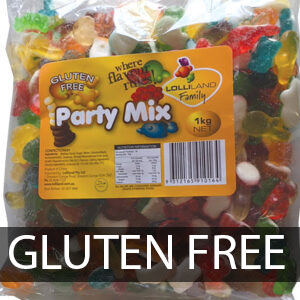
Why not try this gluten free gummi party mix at your next party?
Gluten-free treats are all about sweet moments
At their heart, gluten-free sweets are about making the effort to make treat time joyful, inclusive, and worry-free for kids of all dietary needs. With the right knowledge, safe snacking habits, and a bit of creativity, providing gluten-free treats for your child is simpler than it seems.
Explore local stores, read labels, and experiment with new brands to find treats that bring smiles without compromise. After all, every child deserves the fun of enjoying their favourite lollies—gluten-free or not!
Explore our full range of gluten free lollies today.
This article was reproduced on this site with permission from operafoods.com.au the “Bulk Lolly Suppliers”.
See original article:- Gluten Free Lollies For Kids
Choosing gluten free lollies for your birthday party or lolly bar
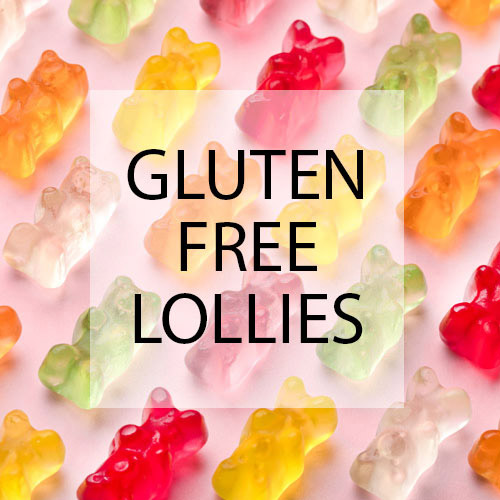
We know. Gluten free can be a minefield. And gluten-free lollies are no exception. But the need to cater for food allergies has become the new normal.
You may just want a sweet treat for yourself or your kids, such as a gluten-free biscuit or lolly. Or you may need to prepare for a kids party or other lolly bar occasion.
The most important thing to say, and this cannot be stressed enough, is to always check the label. And not just the ingredients.
Gluten-free lollies will have a clear label stating they are gluten-free. Not only will they contain no gluten, but they will have adhered to strict guidelines around cross contamination and working practices.
You would think it is easy to spot the gluten free varieties. Surely if you stick to the obviously sugary ones and stay away from those that look, well, more wheatey, then its job done. Unfortunately it is not that simple. When is it ever?
Wheat derivatives, and therefore gluten, are everywhere. Even if your lollies contain no cleverly disguised wheat products, chances are that they share a conveyor belt with those that do.
Wheat starch can pop up in the least expected of places. Glucose syrup is also often made using wheat yet it is deemed gluten free by manufacturing standards. Generally safe to consume by all but those with the severest of wheat allergies, it does however find its way into products labelled gluten free.
What lollies are gluten free?
Thankfully, manufacturers are becoming far more tolerant and are investing the time and money that it takes to make safe gluten-free products. We have several varieties of gluten-free lollies to choose from. Create an individual mini lolly bar, away from the main one, and with separate scoops and containers. Label everything clearly, with labels that will stay put.
Gluten-free cola bottle
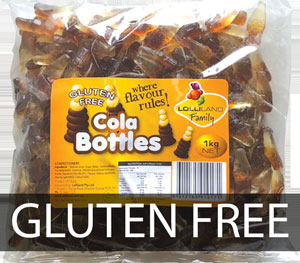
Gluten-free fruit rings
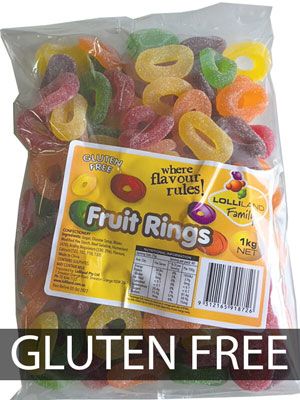
Gluten-free fruity frogs
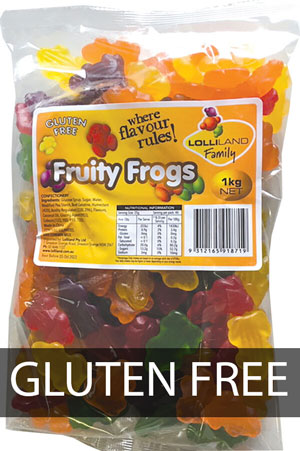
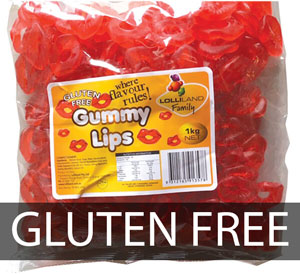
Gluten-free gummy lips
Gluten-free party mix
Shop our range of gluten-free lollies or buy gluten-free wholesale at our online store.