Uncategorized

now browsing by category


Little Treat Culture: The Economy of Small Desserts

the little treat culture

Has something shifted in how your customers think about dessert?

Where they once came in for one indulgent occasion (a birthday celebration, a weekend treat), many are now returning more frequently for something smaller, more intentional. A delicate macaron on a Tuesday afternoon. A single scoop of premium gelato between meetings. A handcrafted chocolate bonbon with their morning coffee. This pattern of “little treat culture,” which we’re seeing across dessert bars, cafés, and foodservice venues alike, reveals something significant about how consumers now view affordable luxury desserts in their daily lives.

This behavioural shift, what the industry calls the “Little Treat Economy,” represents far more than a passing trend. For those of us working in the dessert industry, understanding little treat culture gives us a real competitive advantage. When we recognise what’s driving these purchasing decisions, we can reshape our menus, our pricing, and our operations to meet customers where they are. The payoff? Higher customer frequency, stronger margins, and a business model that’s more resilient in uncertain times.

What Little Treat Culture Actually Represents

It’s tempting to dismiss this as another social media phenomenon, something that will fade as quickly as the last viral food trend. But the evidence suggests something deeper is happening.

At its heart, little treat culture represents a fundamental rethink of what dessert means. Historically, dessert was tied to occasions: celebrations, dining out, and special moments. Today, it’s becoming something different: a functional part of how people manage daily life, regulate their emotions, and mark moments of personal care.

The data reinforces this shift. Research shows that 65% of consumers now prefer smaller portions when it means they don’t have to compromise on taste. Rather than buying a large item that’s “good enough,” customers are actively seeking smaller dessert formats that feel premium. This reflects a broader movement away from “more is better” toward a philosophy of “better is better.”

Here’s the crucial insight: this isn’t about restriction or guilt. It’s about frequency. By making treats smaller and more accessible in price, customers remove the psychological barrier to purchasing. A $15 dessert requires deliberation. A $6 premium treat becomes an instinctive decision. And when those instinctive decisions happen twice a week instead of once a month, everything changes for our businesses.

The Psychology of Permission and Small Dessert Purchasing

Understanding the why behind these choices opens doors to smarter decision-making.

In an increasingly complex world, one that can feel overwhelming, unpredictable, and often beyond our control, people crave something different. They want small, manageable moments of genuine joy. They want to feel agency over their choices. A large dessert can feel heavy, both literally and emotionally. But a single artisan truffle or a bite-sized tartlet? That feels like a deliberate choice, a controlled indulgence, a moment they’ve given themselves.

This psychological driver is particularly strong among younger consumers. Gen Z snacking habits show that 57% of Gen Z purchase a weekly treat, with nearly a third indulging almost daily. But don’t assume this is a Gen Z phenomenon alone. The behaviour is spreading across age groups and demographics.

What matters most is the shift in purchasing mathematics. Traditional customers visit occasionally and spend substantially. But little treat customers visit frequently for smaller amounts. The maths reveal something counterintuitive: multiple small transactions can generate far more annual value than infrequent large ones. The frequency compounds dramatically.

They’re not just buying sugar. They’re buying a moment of respite, a small act of self-care that feels accessible and guilt-free.

Affordable Luxury in Uncertain Times

We can’t talk about this shift without acknowledging the economic reality our customers are navigating.

Economists have long tracked what’s called the “Lipstick Effect”: the observation that during economic uncertainty, people still spend on luxury items, but they shift toward smaller, more affordable options. They might postpone the holiday or the car purchase, but they’ll still invest in something that feels special and achievable.

In the food world, affordable luxury desserts have become the modern “lipstick.”

When major life milestones feel out of reach, when saving for a home, planning a wedding, or securing financial stability feels increasingly difficult, affordable luxury becomes one of the few accessible indulgences. A $9 premium pastry might seem pricey, but as an experience, as a moment of genuine quality in an uncertain world, it’s remarkably accessible.

This is why we see little treat culture thriving alongside cost-of-living pressures. It functions as a recession-resistant form of spending. The small indulgence validates the customer’s hard work without stretching their budget. And when we position our offerings thoughtfully, maintaining premium quality while making them accessible in price and format, we align our business directly with how people are managing their priorities in 2025 and going into 2026.

Shifting Menu Strategy & Dessert Formats

Understanding the psychology is valuable. But what does this actually translate to on your menu board and in your day-to-day operations?

The little treat culture trend asks us to reconsider two things: format and menu architecture. If your menu features only full-sized desserts, you’re effectively screening out the customer seeking smaller, more frequent indulgences.

1. The Power of Dessert Flights and Tasting Boards

When customers want variety without commitment, the “dessert flight” becomes your strongest tool. Mixed dessert plates, offering three to five small portions instead of one large one, have appeared 37% more frequently on menus over the past 18 months. Why? Because they solve a genuine customer problem.

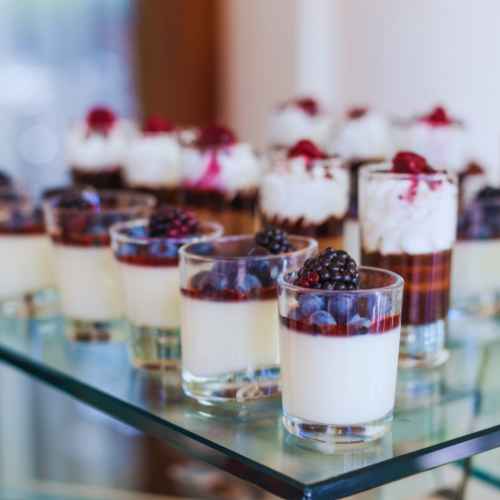
A flight of three mini-gelato scoops or a tasting board of four bite-sized tartlets lets customers explore without the anxiety of choosing wrong. It feels more adventurous, less risky. It also elevates the perceived value: bundling small items creates a premium experience that customers readily pay for.

2. The Economics of Bite-Sized Treats

Small doesn’t mean inexpensive to produce or price. In fact, bite-sized dessert formats often support higher cost-per-gram economics.

Customers resist spending on mediocre full-sized desserts. But they readily invest in a single, exquisitely crafted macaron or a handmade chocolate truffle. This pricing power means we can work with better ingredients.

3. The Add-On Effect: Mini Desserts as Impulse Purchases

Here’s an underutilised opportunity: bite-sized treats are the ultimate add-on sale.

Research shows that customers purchasing small desserts alongside their main purchase, a coffee or a lunch item, spend noticeably more per visit. The small treat becomes irresistible. It’s the evolution of the “coffee and cake” pairing into “coffee and a tiny luxury.”

Train your team to position these items as optional additions. Make them visible at the register. Price them accessibly enough that they feel like a low-commitment choice. The margins on frequency matter more than the margins on individual items.

Positioning for the Future: Building Your Little Treat Culture Strategy

The little treat culture economy isn’t a signal to abandon your full-sized offerings. There will always be customers seeking the celebratory slice or the shared dessert.

But it is a signal to diversify your approach. To ask yourself: Do I have something for the customer who just wants a moment of joy on a Tuesday afternoon? Can I offer an accessible entry point that builds frequency?

When we embrace smaller formats intentionally, not as an afterthought, but as a strategic part of our menu, we’re not just selling less food. We’re offering permission. We’re giving customers a structured way to treat themselves regularly, transforming our venue from a special destination into part of their daily rhythm.

And in an economy where customers are cautious with larger purchases but hungry for small moments of quality, that shift might be the most valuable change we make.

Explore our range of dessert toppings and beyond to find the high-quality textures and flavours that will make your little treat menu unforgettable.


This article was reproduced on this site with permission from operafoods.com.au the “Wholesale Café Suppliers”.
See original article:- Little Treat Culture: The Economy of Small Desserts

Dessert Toppings And The Trends Shaping Australian Dessert Bars

3 soft serve ice creams with colourful candy toppings

Remember the simple days? A single scoop of ice cream was pure joy, maybe with a quick splash of chocolate sauce if you were lucky. Fast forward to today, and the Australian dessert scene has completely changed. For dessert bars and ice cream parlours, toppings are no longer an afterthought—they are the main event, a critical part of the customer experience.

As a wholesale supplier, we have a front-row seat to the innovative trends sweeping through our industry. We see what works, what wows customers, and what keeps them coming back for more. So, how can you leverage these changes? This post dives into the key dessert topping trends for Summer 2025 that are currently defining the Australian market, offering actionable insights to help you attract new customers, boost sales, and become a top dessert destination.

Why Topping Trends Matter for Your Business

Keeping up with trends isn’t just about being fashionable; it’s smart business. Today’s customers are more adventurous and digitally connected than ever. They look for unique, shareable experiences, and an innovative selection of dessert toppings can be the very thing that turns a passerby into a loyal fan.

By adapting to these trends, you can:

  • Broaden Your Appeal. Catering to diverse tastes and dietary needs, like vegan and gluten-free opens your doors to more people.
  • Increase Your Revenue. Exclusive and premium toppings can justify higher price points and increase average transaction value.
  • Generate Free Marketing. Visually stunning, “Instagrammable” desserts are your best and most authentic marketing tool.
  • Outshine the Competition. A creative, evolving menu keeps your brand fresh, exciting, and memorable.

Let’s explore the specific Australian dessert trends making the biggest impact.

Health & Wellness: Toppings for Mindful Indulgence

One of the biggest shifts in the food industry is the move towards mindful indulgence. Customers want treats that align with their health and dietary choices. This is no longer a niche market; it’s mainstream. For your dessert bar, this means offering a variety of plant-based, allergen-free, and even functional dessert toppings is essential.

The Rise of Vegan and “Free-From” Toppings

The demand for vegan toppings is booming in Australia, and your menu should reflect this. At the same time, providing safe and delicious gluten-free options is a powerful way to build trust with a growing customer segment.

How can you embrace this trend?

  • Think Beyond Fruit. Go beyond basic sauces. Offer indulgent vegan toppings like rich dark chocolate ganache made with oat milk, creamy cashew-caramel drizzles, or coconut-based whipped creams.
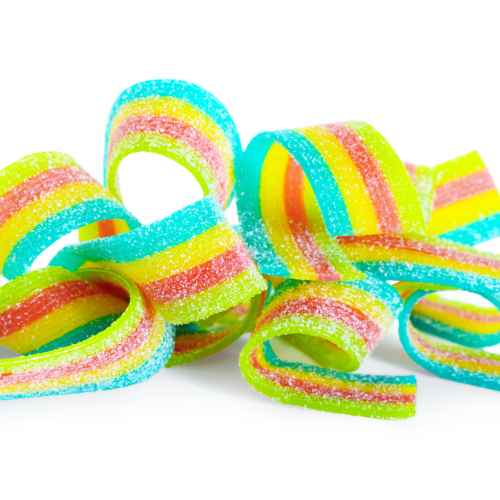
  • Select Smartly. Many classic lollies are surprisingly vegan or gluten-free. For example, our Sour Mix Lollies add a fantastic tangy kick and vibrant colour to gluten-free sorbets and ice creams.
  • Offer Gluten-Free Goodness. Light and fluffy Rainbow Mini Marshmallows are another gluten-free favourite that adds a pop of colour and a soft, chewy texture. Remember to implement clear procedures to prevent cross-contamination and keep your customers safe.

Functional and Fortified Toppings

The “wellness-in-desserts” movement is also gaining traction. Customers appreciate treats that offer a little something extra. You can add both nutritional value and exciting textures with functional dessert toppings like quinoa crisps, protein-rich granola, chia seeds, and superfood powders.

Nostalgia and Fun: The Playful Topping Trend

On the other end of the spectrum is the trend of pure, unadulterated fun. This is about tapping into the inner child and creating desserts that are joyful, colourful, and a little bit over-the-top. This approach is particularly effective for attracting families and young adults, your core demographics.

How to Create a Playful Menu

This is where you can let your imagination run wild. The goal is to create a sense of excitement and delight.

  • A Riot of Colour. Use colourful toppings to create visual appeal. A cascade of colour can turn a simple scoop of ice cream into a vibrant creation.
  • Interactive Elements. Set up a “build your own” sundae bar where customers can go wild with a huge assortment of lollies, sprinkles, and sauces.
  • Throwback Flavours. Reintroduce classic Australian lollies and treats as toppings to evoke a sense of nostalgia. Think crushed versions of your childhood favourites.

Flavour Innovation: A World of Taste

The Australian palate is becoming more adventurous, heavily influenced by global food trends. Sticking to the same old chocolate and caramel won’t cut it anymore.

Fusion Flavours Take Centre Stage

Look to international dessert scenes for inspiration.

  • Asian Influence. Toppings inspired by Korean, Japanese, and Thai desserts are incredibly popular. Think Thai-inspired toasted coconut flakes, Japanese matcha powder, or chewy mochi pieces.
  • Limited-Time Offers. Collaborate with other local businesses or even influencers to create exclusive, limited-edition toppings. This creates buzz and a sense of urgency for customers to visit.

Social Media: Designing for the ‘Gram

Let’s face it, we eat with our eyes first. In the age of social media, a dessert’s visual appeal is almost as important as its taste. Viral recipes and TikTok trends are directly shaping menus.

Creating Instagram-Worthy Toppings

Your toppings are key to creating a dessert that people can’t resist sharing online.

  • Visual Wow-Factor. Use toppings that are inherently photogenic. A riot of colour and carefully arranged toppings can transform a simple dessert into an explosion of visual appeal.
  • Embrace the Trends. Keep an eye on what’s trending on platforms like TikTok and Instagram. Consider how online fads can translate into lasting real-world menu innovation.

A customer taking a photo of their brightly-coloured, creatively-topped dessert and posting it online is an endorsement that money can’t buy.

Putting It All Together for Your Business

How can you take these dessert topping trends and make them work for your Australian dessert bar?

  1. Audit Your Menu. Review your current offerings. Where are the gaps? Can you introduce more vegan toppings, nostalgic desserts, or customizable options?
  2. Know Your Audience. Are you primarily serving families, young professionals, or tourists? Tailor your topping selection to what excites them most.
  3. Start Small. You don’t need to overhaul everything at once. Introduce one or two new trending toppings, and see how your customers respond.
  4. Tell the Story. Use your menu, signage, and social media to highlight what makes your new dessert toppings special. Are they locally sourced? Are they part of a fun, nostalgic theme? Let your customers in on the secret.

How Opera Foods Can Support Your Dessert Bar or Ice Cream Parlours

Here at Opera Foods, we are dedicated to helping dessert-focused businesses across Australia thrive in a competitive market.

By partnering with us, your dessert bar or ice cream parlour will be equipped to craft unique, high-quality offerings while ensuring efficient and stress-free operations. Let us help you create an unforgettable dessert experience for your customers!

The science of dessert is constantly evolving, and toppings are at the forefront of this sweet revolution. By embracing these trends, you’re not just adding new ingredients to your menu but crafting experiences, creating memories, and building a business that will thrive in Australia’s competitive dessert landscape.

Ready to sweeten your menu? Explore our extensive range of wholesale lollies and dessert toppings. We can even help with toppings that tap into the trend for health and wellness. Let’s create something delicious together.


This article was reproduced on this site with permission from operafoods.com.au the “Dessert Toppings Wholesaler”.
See original article:- Dessert Toppings And The Trends Shaping Australian Dessert Bars

What Makes Sour Lollies Sour?

what makes sour lollies sour

You unwrap a vibrant, sugar-dusted lolly, pop it in your mouth, and suddenly, there it is—an electrifying tang that makes your taste buds tingle. Sour sweets have a way of surprising, satisfying, and even challenging us with their sharp flavours. But what exactly causes that signature sourness? It turns out, the science behind sour lollies is just as fascinating as the experience of eating them.

The Key Ingredients That Bring the Sour

If you’ve ever wondered why sour lollies are so tangy, the answer lies in their ingredients. Specifically, the sourness comes from acids—don’t worry, these are safe, food-grade acids that are commonly found in nature and in many of the foods we enjoy.

The most commonly found acids in sour sweets are citric acid, malic acidand tartaric acid, with lactic acid occasionally present.

Citric Acid

Found naturally in citrus fruits like lemons and limes, citric acid delivers a sharp, zesty punch. It’s one of the most common ingredients in sour lollies because it creates an unmistakable tang.

Malic Acid

Known as the culprit behind the sourness of green apples, malic acid gives an intense, lingering sourness. This is what you’ll often find in “extremely sour” lollies like Warheads.

Tartaric Acid

Derived from grapes and tamarinds, tartaric acid has a dry, puckering quality. It plays well as a secondary acid to complement citric or malic acid.

Lactic Acid

Although it’s better known for its role in dairy products, lactic acid provides a gentle sour note. It typically acts as a milder alternative in certain sweets.

When these acids are used in the right proportions, they create the mouth-puckering sensation that defines sour lollies. But why do they make your taste buds react this way?

The Science of Sourness

Sourness isn’t just a flavour—it’s a science experiment happening right on your tongue. Your mouth can detect sourness thanks to hydrogen ions. Here’s how it works.

How Sourness is Perceived

When you eat sour lollies, the acids release hydrogen ions as they dissolve in your saliva. These ions interact with specific receptors on your tongue’s taste buds. The more hydrogen ions there are, the more intense the sour flavour becomes. Essentially, your tongue is sensing the solution’s acidity, which is measured using pH levels. The lower the pH, the sourer the treat.

The Extra-Sour Factor

Ever tried a lolly so sour it made your eyes water? That’s the result of high concentrations of acids, especially malic acid. Some brands go the extra mile by layering their lollies with super-sour powdered acid on the outside, giving you a powerful tang as soon as the lolly comes into contact with your tongue.

The Powdered Acid Coating That Packs a Punch

Picture this: you pop a sour lolly into your mouth, and immediately, there’s an explosion of tartness. That’s thanks to the powdered acid coating that’s carefully applied during production.

Burst of Tang

When manufacturers want to give their lollies an extra wow factor, they coat them with a layer of powdered acid—usually a mix of citric and malic acids. This fine powder dissolves quickly when it touches your saliva, delivering an intense, fleeting burst of sourness.

How Texture Plays a Role

The impact of the sour coating also depends on the lolly itself. For example:

  • Hard lollies offer a slow release of their sour flavour as they dissolve gradually.
  • Gummy or chewy lollies have a texture that combines the initial tang of the coating with a softer, sweeter flavour inside, keeping you hooked.

That balance of sweet and sour is no accident. It’s carefully engineered to make sure the overall taste is delicious, not overwhelming.

Why Do We Love Sour Lollies?

Now that we know how they are made, the next question is—why do we love them so much? It’s not just about the flavour; there’s a mix of psychology, nostalgia, and thrill that makes sour lollies irresistible.

The Thrill of the Challenge

Many of us have a love-hate relationship with sour lollies. The extreme puckering sensation can be a challenge, and for some, that’s the whole point. Trying to outlast friends in a “sour contest” or seeing who can handle the most sour lolly is just plain fun.

Nostalgia and Playfulness

For many Aussies, sour lollies evoke memories of childhood trips to the corner shop, sharing treats with friends, or surviving that first bite of an overpoweringly sour Warhead. They’re not just lollies—they’re little bites of nostalgia.

The Perfect Balance

Finally, there’s something uniquely satisfying about the balance between sweet and sour. The sharp tang wakes up your taste buds, but it’s quickly followed by a sweet reprieve. That contrast makes every bite exciting.

Next time you pick up a sour lolly, take a moment to savour more than just the taste—think about the fascinating science and skill that goes into creating that perfect tang. From the acids that interact with your taste buds to the powdered coatings that amplify the experience, sour lollies are little marvels of confectionery artistry.

We have many sour lollies to choose from, so why not explore the range today?


This article was reproduced on this site with permission from operafoods.com.au the “Bulk Lollies Suppliers”.
See original article:- What Makes Sour Lollies Sour?

Does Chocolate Contain Gluten?

does chocolate contain gluten

For many of us, chocolate is right up there with life’s greatest pleasures. But when you’re following a gluten-free lifestyle, enjoying your next block or bar comes with a few important questions. Chief among them: Does chocolate contain gluten? If you’ve ever stood in the confectionery aisle, squinting at ingredient lists and allergen labels, you’re not alone.

In this post, we’ll examine whether chocolate contains gluten and what you need to know to make informed choices about your favourite sweet treat.

What’s in Chocolate – The Basics

Let’s start with the building blocks. Good chocolate, whether it’s dark, milk, or white, is usually made with just a handful of ingredients.

  • Cocoa beans (roasted and ground into cocoa mass)
  • Cocoa butter
  • Sugar

Sometimes you’ll also find milk solids (in milk and white chocolate), vanilla, or emulsifiers like soy lecithin – none of which typically contain gluten. In theory, pure chocolate should be safe.

But here’s where it gets tricky. Chocolate is a bit like a blank canvas, ready to be painted with new flavours, fillings, and textures. When manufacturers add things like biscuit pieces, crispy cereals, or nougat, it’s easy to see how gluten sneaks in. Some chocolates even use barley malt as a sweetener or flavouring, which is another source of gluten.

And of course, we haven’t even started on the complications of cross-contamination.

Cross-Contamination and Gluten Risks in Chocolate

So what exactly is cross-contamination, and why is it such an issue for anyone avoiding gluten?

Simply put, cross-contamination occurs when gluten-free foods come into contact with something that contains gluten. In chocolate factories, it’s sometimes impossible to avoid, especially if a facility makes a wide range of products — imagine chocolate bars with biscuit inclusions being made on the same production line as plain dark chocolate. Even a minuscule amount of gluten can cause trouble for someone with coeliac disease.

Picture this scenario: A chocolatier runs dark chocolate bars in the morning, and then switches to a line of cookies & cream pieces (packed with wheat-based biscuits) in the afternoon. Unless a deep clean happens, traces of gluten could end up in that plain dark chocolate, even if wheat isn’t one of the ingredients.

Even packaging and storage can be an issue — shared bins or trays can introduce gluten into previously safe products. That’s why many chocolate wrappers in Australia carry statements like “may contain traces of gluten” or “manufactured on equipment that processes wheat.”

So, what can you do? As always, the advice is to always read the label even if you have bought that product before.

Australian Gluten-Free Labelling Laws

Under the Food Standards Australia New Zealand (FSANZ) code, a product can only be labelled “gluten-free” if it contains no detectable gluten, currently set at less than 3 parts per million (ppm). This is one of the most rigorous thresholds in the world, making it easier for people with coeliac disease or severe gluten sensitivity to find products they can enjoy with confidence.

The Importance of “Low Gluten” vs “Gluten-Free”

You might see some chocolates labelled “low gluten.” Be cautious! Under Australian law, these can contain up to 20 ppm of gluten. While this is still a very small amount, it’s too high for many people with coeliac disease and is more suitable for those with a mild gluten intolerance.

Always look for the explicit “gluten-free” label if you’re highly sensitive.

Decoding Chocolate Labels: What to Look For

Next time you’re treating yourself, here’s what you should keep an eye on.

Gluten-Free Certifications: Some products carry logos or certifications from trusted organisations, like Coeliac Australia. These are your safest bet.

Ingredients List: Go beyond the bold allergens and scan for hidden culprits like barley malt extract, wheat glucose syrup, or wheat starch. While some wheat-based ingredients can be processed to remove gluten, not all are considered safe under FSANZ rules.

Advisory Statements: If a packet says “may contain traces of gluten,” it’s a sign that cross-contamination is possible. For someone with coeliac disease, it’s usually best to steer clear.

What About ‘Made Without Gluten’?

Let’s first be clear here: ‘made without gluten’ is not something you will find on a label. But as more and more people are looking for products to suit a lifestyle choice, the distinction is important. If this is you, then chances are, for whatever reason, you choose to avoid wheat and other gluten-containing grains. Yet you are not sensitive enough to be worried about cross-contamination or derivatives.

For you, checking the label for wheat (and barley or rye where applicable) should be enough for you to steer clear. Gluten-free legislation and widening availability of gluten-free products that make foods safe for everyone are a huge step forward and deeply important. However, make no mistake that this is also big business, and by jumping on this lucrative bandwagon, you may be simply paying a premium for a product you don’t need.

Again, it is about getting into the habit of always reading labels and taking control over what ingredients are right for you.

Types of Chocolate and Their Gluten Risks

Let’s break down some common types of chocolate products and where gluten risks often pop up.

Plain/Dark Chocolate

More often than not, simple dark chocolate made with just cocoa solids, cocoa butter, and sugar (and perhaps a little vanilla or soy lecithin) is gluten-free, provided it’s manufactured in a gluten-free environment. Still, always read the labels and check for warnings about cross-contact.

Milk Chocolate

Similar to dark chocolate, basic milk chocolate usually avoids gluten, but always double-check! Some milk chocolates sneak in malt flavourings, which often contain barley.

Filled and Flavoured Chocolates

Here’s where you need to be extra cautious. Anything with crispy inclusions (like biscuits or wafers), caramel, nougat, or even “cookies and cream” varieties often has gluten-containing ingredients front and centre.

Chocolate Blocks vs. Bars vs. Novelty Items

Individual bars, boxed chocolates, or novelty shapes (think Easter eggs or Santas) could be made in facilities bustling with gluten ingredients. Plus, seasonal products sometimes use different suppliers or factories, so a brand’s regular line might be safe, but their holiday edition not so much.

Chocolate Coatings

Beware of anything coated in chocolate, like liquorice, nuts, or dried fruit. Even if the core ingredient is gluten-free, the coating or process may not be.

International Imports — Take Note

If you’re browsing the imported chocolate aisle, be extra diligent. International standards vary. For example, in the EU and USA, “gluten-free” can be up to 20 ppm of gluten, about seven times Australia’s threshold.

Sometimes recipes, suppliers, or cross-contact protocols are different for Australian versions of international chocolates, so be wary of online forums or overseas recommendations unless the product is also sold and labelled for the Australian market.

Is Cocoa Gluten Free?

Generally, cocoa powder is considered gluten-free because it is made purely from cocoa beans, which do not naturally contain gluten.

The process of grinding roasted cocoa beans into powder does not usually introduce any gluten-containing ingredients. However, it’s important to check for any added flavourings or sweeteners, as these can sometimes include gluten. As always, cross-contamination during manufacturing is another factor to consider, especially if the facility also processes products containing gluten.

For those with celiac disease or gluten sensitivity, opting for brands that clearly label their cocoa powder as gluten-free or use dedicated gluten-free facilities can provide extra peace of mind.

You can find out more about gluten in cocoa and why it is an invaluable ingredient, in our article ‘Is cocoa gluten free?‘.

Gluten-Free Chocolate: Frequently Asked Questions

Let’s tackle some common queries you might have:

Q: Can I trust chocolate labelled ‘gluten-free’ in Australia?

A: Yes, Australia’s labelling laws are very strict. If something is labelled gluten-free here, it meets the FSANZ standard of no detectable gluten.

Q: Are all dark chocolates gluten-free?

A: Not always! Many are, but some brands add malt, biscuits, or use shared lines with wheat products.

Q: What about hot chocolate powders or drinking chocolate?

A: Always check the label. Many contain malt (from barley) or are made in facilities that also process gluten-containing mixes.

Q: Which chocolate spreads are gluten-free?

A: Again, look for certified products. Many hazelnut spreads or chocolate nut butters are safe, but some cheap brands use wheat-based thickeners.

Q: Is white chocolate gluten-free?

A: Usually yes, if it’s just cocoa butter, sugar, and milk solids, but flavoured varieties or filled treats may contain gluten.

Final Thoughts

Living gluten-free shouldn’t mean missing out on life’s sweetest moments. Thanks to Australia’s rigorous food safety standards, clear labelling, and a supportive community of brands and consumers, there are more gluten-free chocolate options than ever before.

So next time you’re craving something sweet, you’ll know exactly what to look for—whether that’s a block of rich, dark chocolate or a tray of homemade truffles. Take a moment to savour your treat, knowing it’s safe and just right for you.

Explore our massive range of treats and lollies, some of which are certified gluten-free.


This article was reproduced on this site with permission from operafoods.com.au the “Bulk Lolly Suppliers”.
See original article:- Does Chocolate Contain Gluten?

Why Trail Mix is The Perfect Snack

Why Trail Mix is The Perfect Snack

Munching our way through yet another bag of Maltesers it occurred to us that perhaps there is a better way to indulge in a bit of sofa-style snack time. And then it came to us; trail mix. What better way to enjoy the chocolate that we all love (and quite frankly, deserve) than literally mixing it up a bit?

What is Trail Mix

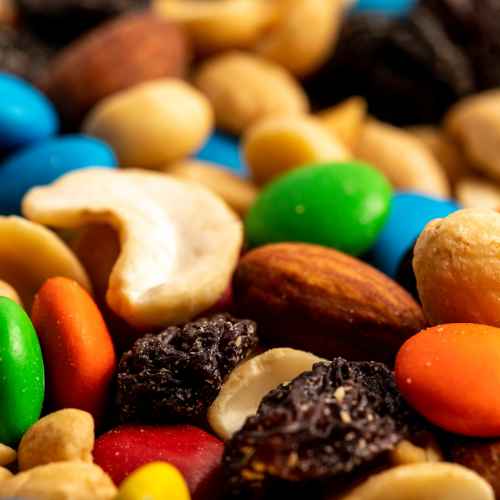
At its core, trail mix is a portable snack designed to sustain energy levels during activities, particularly hiking or trekking. The beauty of trail mix lies in its simplicity and adaptability—an effortless blend of nuts, seeds, dried fruits, and sometimes a sweet or savoury addition, like chocolate chips or pretzels.

Originating from the need for convenient, durable sustenance on long trails, this snack has evolved into a beloved mix that fuels adventure seekers but also serves as a quick, nutritious pick-me-up for anyone, anywhere. Movie night, anyone?

Its combination of flavours and textures, from the creamy crunch of nuts to the chewy sweetness of dried fruit, makes trail mix a universally appealing and endlessly customizable snack option.

Is Trail Mix Good For You?

Whether or not trail mix is actually healthy all depends on what you put in it, and how much you eat. That said, it is the ideal mix of nutritious things and things that are not so nutritious (but good for you in so many other ways) that makes trail mix the perfect snack.

In a way, trail mix embodies the idea of balanced eating and takes the focus away from the mindset of good foods vs bad. When eaten to sustain energy levels, a handful every so often to keep you going is the whole point. But if you are simply feeding movie night munchies, then for every sweet or chocolate you get a whole bunch of other stuff too.

So yeah, you can make your trail mix entirely of nuts, dried fruit and seeds. Or, you can throw in a handful of the fun stuff too.

Trail Mix Ingredients

When you’re mixing up your next batch of trail mix, consider tossing in a variety of these ingredients for a delightful balance of taste and nutrition:

Almonds: Rich in healthy fats and protein, these nuts are a trail mix staple.

Walnuts: Loaded with omega-3 fatty acids, they’re a heart-healthy choice.

Peanuts: The most user-friendly of all nuts, everybody loves peanuts. Try a mix of salted and raw.

Cashews: Mild and slightly sweet, they add a unique flavour and texture.

Pumpkin Seeds: Also known as pepitas, these seeds are a great source of magnesium and zinc.

Sunflower Seeds: High in vitamin E, they add a creamy crunch.

Dried Cranberries: For a burst of chewy

Raisins: A classic ingredient for sweetness and chewiness.

Chocolate Chips: For that touch of indulgence. Consider dark chocolate for less sugar and more antioxidants.

Chocolates and Lollies: Like we say, nothing wrong with a few extras!

Pretzel Pieces: A salty element to contrast the sweet and nutty flavours.

Popcorn: For a light and airy crunch, add some plain or lightly salted popcorn to your mix.

Dried Cherries: Their tartness adds complexity to your trail mix.

Coconut Flakes: For a hint of tropical flavour and additional texture.

Trail mix is all about variety, so don’t be afraid to get creative and add your own personal favourites. Just remember to balance out the sweet treats with some nutrient-dense options for a well-rounded snack. Remember, the secret to a great trail mix is the balance of flavours and textures, so feel free to experiment with these ingredients until you find your perfect mix!

Ideas for Homemade Trail Mix

When it comes to making homemade trail mix, pretty much anything goes. After all, it is essentially just a bag full of bits and pieces to keep you energised, entertained, and hopefully surprised. From the healthy classic to the sweeter side of things, here’s a bunch of ideas to keep you going.

Creative Trail Mix Combinations

The Classic Blend

Combine almonds, walnuts, raisins, dried cranberries, and a handful of dark chocolate chips for a timeless favourite that will keep your energy levels high on the (actual) trail.

Tropical Getaway Mix

Mix together cashews, almonds, coconut flakes, dried pineapple, and banana chips for a tropical twist.

Sweet and Salty Crunch

Create a satisfying mix with peanuts, pretzel pieces, popcorn, and raisins. Add a sprinkle of M&Ms for a colourful, fun twist.

Nut Butter Lover’s Dream

For those who can’t get enough of nut butter, mix together peanuts, almonds, and pumpkin seeds, and drizzle with melted peanut butter before letting it cool and break apart.

Very Berry Mix

Combine dried blueberries, dried cherries, almonds, walnuts, dark chocolate chips, and sunflower seeds for an antioxidant-rich snack.

Savory Spice Mix

Cater to savoury cravings with a mix of cashews, almonds, pretzel pieces, and pumpkin seeds, lightly tossed with a spice blend of your choice such as chili powder, garlic powder, and a dash of salt.

Kids’ Party Mix

Delight the little ones with a colourful mix of popcorn, pretzel pieces, dried strawberries, chocolate candies, and a few marshmallows for a snack that doubles as a party favour.

Of course, you can mix and match as you please, dialling up the healthy bits and dialling down the sugar. Or the other way around.

We have plenty of both here at Opera Foods, but why not start with the sweet stuff and check out our massive range of lollies?


This article was reproduced on this site with permission from operafoods.com.au the “Bulk Lolly Wholesalers”.
See original article:- Why Trail Mix is The Perfect Snack

Special Offer Pinata Mix Wrapped Lollies

Pinata Mix Individually wrapped lollies SPECIAL from the Lolly Shop

A special offer for 2 weeks only.

Get 50% off our famous large Pinata Mix wrapped lolly bulk bag, when you spend $10 or more on other products in our online store.

Buy online  now. The Offer applies to any products bought online from our parent company Opera Foods wholesale food Suppliers Sydney Melbourne & Brisbane till 15th April .
Limited offer.

#bulklollies #specialoffer #discount #50%off #sale #discounts #clearance #wholesalelollies #pinata #wrappedlollies #bargains #bargainbuys #discounts