Fairy Bread Ice Cream For Your Dessert Bar

Fairy-Bread-Ice-Cream-with-100s-and-100s-from-Opera-Foods-Dessert-Toppings-Range

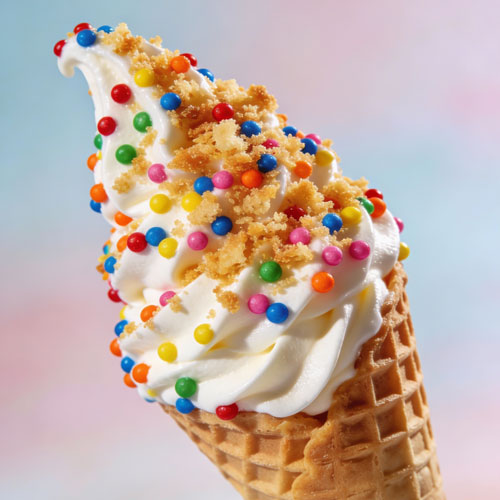
Fairy bread ice cream is a frozen dessert that recreates the iconic Australian party treat. Made with vanilla soft serve or fior di latte gelato topped with buttered breadcrumbs and a generous coating of 100s and 1000s, it transforms a childhood flavour memory into a menu-ready special for dessert bars and ice cream parlours, tapping into the “newstalgia” trend.

Every Australian knows the original. Soft white bread, cold butter, and a scatter of rainbow sprinkles pressed into the surface. Fairy bread has been part of the national psyche since the 1920s, and translating it into a grown-up frozen treat is a smart, simple move for any venue chasing nostalgia desserts Australia’s customers genuinely crave.

Why Does Fairy Bread Ice Cream Work So Well?

Fairy bread ice cream works because the original succeeds on simplicity: three ingredients, zero technique, pure joy. That stripped-back philosophy translates beautifully to frozen desserts without requiring complex preparation or specialist skills.

The base needs to be neutral and creamy, serving as a canvas rather than a competing flavour. Vanilla soft serve works brilliantly for high-volume operations, but for gelato venues, Fior di latte is the ideal choice. Fior di latte is a traditional Italian gelato flavour that showcases fresh dairy at its purest: sweet, silky, and unadulterated. Its subtle profile won’t fight with the textural toppings; instead, it amplifies them.

How Do You Build the Fairy Bread Flavour Profile?

The fairy bread flavour profile consists of three distinct sensory notes: the cool creaminess of butter, the soft-bland sweetness of white bread, and the sugary crunch of hundreds and thousands. Recreating each layer is straightforward once you understand what each component contributes.

What Base Works Best for Fairy Bread Ice Cream?

Fior di latte gelato or a quality vanilla soft serve provides the “butter” element, delivering that rich, fatty dairy note that coats the tongue. This works because cold dairy fat mimics the sensation of chilled butter on bread. Serve it at the right temperature: soft enough to yield easily, yet cold enough to contrast with the room-temperature toppings.

How Do You Get the Bread Flavour in Fairy Bread Ice Cream?

A buttered brioche crumb adds authentic “bread and butter” flavour without the sogginess of actual bread. Toast cubed brioche in clarified butter until deeply golden, then pulse into coarse crumbs for toasty, biscuity notes.

This works because brioche already contains butter and egg, so toasting it concentrates familiar bakery flavours into a shelf-stable crumb. For efficiency, batch-prep the crumb weekly and store it in an airtight container, as it holds texture for days. Alternatively, crushed milk arrowroot biscuits (another Aussie childhood staple) can deliver a similar effect with less prep, leaning further into the retro-party aesthetic.

Why Are 100s and 1000s the Essential Ice Cream Topping?

100s and 1000s are essential because they deliver instant visual recognition and textural contrast in a single ingredient. A generous coat of 100s and 1000s transforms a white dessert into an instant mood-lifter. As a soft serve topping, those tiny rainbow spheres trigger recognition before the first bite, and customers know this flavour before tasting it.

The visual impact depends on coverage, so don’t be shy. Roll the entire scoop, press sprinkles into soft serve swirls, or create a dedicated “sprinkle station” where customers coat their own serve. The tactile, participatory element adds theatre and encourages social sharing.

Why Do Nostalgia Desserts Perform So Well Commercially?

Nostalgia desserts perform well because they sell emotion alongside flavour. Customers aren’t just buying ice cream; they’re buying a memory. This works particularly well for fairy bread ice cream because the vibrant rainbow visual of 100s and 1000s is engineered for Instagram, meaning you’re selling a flavour and a photograph.

Read our article about tapping into the newstalgia trend.

Buying your ice cream toppings in bulk keeps per-serve costs minimal while ensuring you never run short during a busy service. For a topping this visually impactful, running out mid-rush isn’t an option.

Fairy bread ice cream isn’t reinventing the wheel. It’s reminding your customers why they loved the wheel in the first place and then giving them a reason to photograph it.

Frequently Asked Questions

Can you make fairy bread ice cream with soft serve instead of gelato? Yes, vanilla soft serve works just as well as gelato for fairy bread ice cream. Soft serve’s higher air content creates a lighter texture, while gelato offers a denser, more traditional feel; both pair equally well with brioche crumbs and 100s and 1000s.

What can I use instead of brioche crumbs? Crushed milk arrowroot biscuits or even toasted white breadcrumbs work as substitutes for brioche. The key is achieving a buttery, toasted flavour that echoes the “bread and butter” note of traditional fairy bread without introducing sogginess.

Where can I buy 100s and 1000s in bulk in Australia? Australian dessert bars and ice cream parlours can purchase 100s and 1000s in 1kg bags here online from Opera Foods; supplier of wholesale dessert toppings to food service businesses nationwide.


This article was reproduced on this site with permission from operafoods.com.au the “Wholesale Dessert Toppings Suppliers”.
See original article:- Fairy Bread Ice Cream For Your Dessert Bar

Little Treat Culture: The Economy of Small Desserts

the little treat culture

Has something shifted in how your customers think about dessert?

Where they once came in for one indulgent occasion (a birthday celebration, a weekend treat), many are now returning more frequently for something smaller, more intentional. A delicate macaron on a Tuesday afternoon. A single scoop of premium gelato between meetings. A handcrafted chocolate bonbon with their morning coffee. This pattern of “little treat culture,” which we’re seeing across dessert bars, cafés, and foodservice venues alike, reveals something significant about how consumers now view affordable luxury desserts in their daily lives.

This behavioural shift, what the industry calls the “Little Treat Economy,” represents far more than a passing trend. For those of us working in the dessert industry, understanding little treat culture gives us a real competitive advantage. When we recognise what’s driving these purchasing decisions, we can reshape our menus, our pricing, and our operations to meet customers where they are. The payoff? Higher customer frequency, stronger margins, and a business model that’s more resilient in uncertain times.

What Little Treat Culture Actually Represents

It’s tempting to dismiss this as another social media phenomenon, something that will fade as quickly as the last viral food trend. But the evidence suggests something deeper is happening.

At its heart, little treat culture represents a fundamental rethink of what dessert means. Historically, dessert was tied to occasions: celebrations, dining out, and special moments. Today, it’s becoming something different: a functional part of how people manage daily life, regulate their emotions, and mark moments of personal care.

The data reinforces this shift. Research shows that 65% of consumers now prefer smaller portions when it means they don’t have to compromise on taste. Rather than buying a large item that’s “good enough,” customers are actively seeking smaller dessert formats that feel premium. This reflects a broader movement away from “more is better” toward a philosophy of “better is better.”

Here’s the crucial insight: this isn’t about restriction or guilt. It’s about frequency. By making treats smaller and more accessible in price, customers remove the psychological barrier to purchasing. A $15 dessert requires deliberation. A $6 premium treat becomes an instinctive decision. And when those instinctive decisions happen twice a week instead of once a month, everything changes for our businesses.

The Psychology of Permission and Small Dessert Purchasing

Understanding the why behind these choices opens doors to smarter decision-making.

In an increasingly complex world, one that can feel overwhelming, unpredictable, and often beyond our control, people crave something different. They want small, manageable moments of genuine joy. They want to feel agency over their choices. A large dessert can feel heavy, both literally and emotionally. But a single artisan truffle or a bite-sized tartlet? That feels like a deliberate choice, a controlled indulgence, a moment they’ve given themselves.

This psychological driver is particularly strong among younger consumers. Gen Z snacking habits show that 57% of Gen Z purchase a weekly treat, with nearly a third indulging almost daily. But don’t assume this is a Gen Z phenomenon alone. The behaviour is spreading across age groups and demographics.

What matters most is the shift in purchasing mathematics. Traditional customers visit occasionally and spend substantially. But little treat customers visit frequently for smaller amounts. The maths reveal something counterintuitive: multiple small transactions can generate far more annual value than infrequent large ones. The frequency compounds dramatically.

They’re not just buying sugar. They’re buying a moment of respite, a small act of self-care that feels accessible and guilt-free.

Affordable Luxury in Uncertain Times

We can’t talk about this shift without acknowledging the economic reality our customers are navigating.

Economists have long tracked what’s called the “Lipstick Effect”: the observation that during economic uncertainty, people still spend on luxury items, but they shift toward smaller, more affordable options. They might postpone the holiday or the car purchase, but they’ll still invest in something that feels special and achievable.

In the food world, affordable luxury desserts have become the modern “lipstick.”

When major life milestones feel out of reach, when saving for a home, planning a wedding, or securing financial stability feels increasingly difficult, affordable luxury becomes one of the few accessible indulgences. A $9 premium pastry might seem pricey, but as an experience, as a moment of genuine quality in an uncertain world, it’s remarkably accessible.

This is why we see little treat culture thriving alongside cost-of-living pressures. It functions as a recession-resistant form of spending. The small indulgence validates the customer’s hard work without stretching their budget. And when we position our offerings thoughtfully, maintaining premium quality while making them accessible in price and format, we align our business directly with how people are managing their priorities in 2025 and going into 2026.

Shifting Menu Strategy & Dessert Formats

Understanding the psychology is valuable. But what does this actually translate to on your menu board and in your day-to-day operations?

The little treat culture trend asks us to reconsider two things: format and menu architecture. If your menu features only full-sized desserts, you’re effectively screening out the customer seeking smaller, more frequent indulgences.

1. The Power of Dessert Flights and Tasting Boards

When customers want variety without commitment, the “dessert flight” becomes your strongest tool. Mixed dessert plates, offering three to five small portions instead of one large one, have appeared 37% more frequently on menus over the past 18 months. Why? Because they solve a genuine customer problem.

A flight of three mini-gelato scoops or a tasting board of four bite-sized tartlets lets customers explore without the anxiety of choosing wrong. It feels more adventurous, less risky. It also elevates the perceived value: bundling small items creates a premium experience that customers readily pay for.

2. The Economics of Bite-Sized Treats

Small doesn’t mean inexpensive to produce or price. In fact, bite-sized dessert formats often support higher cost-per-gram economics.

Customers resist spending on mediocre full-sized desserts. But they readily invest in a single, exquisitely crafted macaron or a handmade chocolate truffle. This pricing power means we can work with better ingredients.

3. The Add-On Effect: Mini Desserts as Impulse Purchases

Here’s an underutilised opportunity: bite-sized treats are the ultimate add-on sale.

Research shows that customers purchasing small desserts alongside their main purchase, a coffee or a lunch item, spend noticeably more per visit. The small treat becomes irresistible. It’s the evolution of the “coffee and cake” pairing into “coffee and a tiny luxury.”

Train your team to position these items as optional additions. Make them visible at the register. Price them accessibly enough that they feel like a low-commitment choice. The margins on frequency matter more than the margins on individual items.

Positioning for the Future: Building Your Little Treat Culture Strategy

The little treat culture economy isn’t a signal to abandon your full-sized offerings. There will always be customers seeking the celebratory slice or the shared dessert.

But it is a signal to diversify your approach. To ask yourself: Do I have something for the customer who just wants a moment of joy on a Tuesday afternoon? Can I offer an accessible entry point that builds frequency?

When we embrace smaller formats intentionally, not as an afterthought, but as a strategic part of our menu, we’re not just selling less food. We’re offering permission. We’re giving customers a structured way to treat themselves regularly, transforming our venue from a special destination into part of their daily rhythm.

And in an economy where customers are cautious with larger purchases but hungry for small moments of quality, that shift might be the most valuable change we make.

Explore our range of dessert toppings and beyond to find the high-quality textures and flavours that will make your little treat menu unforgettable.


This article was reproduced on this site with permission from operafoods.com.au the “Wholesale Café Suppliers”.
See original article:- Little Treat Culture: The Economy of Small Desserts

Toasted Marshmallow Dessert Toppings.

toasted-marshmallow-desserts-using-Opera-Foods-dessert-toppings

There’s a specific smell that transports almost every Australian back to their childhood: a marshmallow, held over a crackling campfire, turning golden brown and beginning to droop. It’s the scent of caramelised sugar, smoke, and anticipation. What if you could bottle that feeling and serve it to your customers?

Menus that truly stand out are those that master the art of sensory experience. It’s not just about taste; it’s about sight, smell, and feel (texture). And when it comes to creating a multi-sensory “wow” moment, few things are as simple, cost-effective, and powerful as a perfectly toasted marshmallow.

So, how do you move beyond the campfire and bring this gourmet experience into your dessert bar? Let’s walk through the art of toasting marshmallows and explore how this simple technique can transform your desserts, delight your customers, and add a touch of theatre to your service.

Why Toasted Marshmallows Are a Gourmet Game-Changer

You might be thinking, “It’s just a burnt marshmallow, right?” Wrong. The act of toasting is a chemical transformation. The intense heat caramelises the sugars on the outside, creating a crisp, flavourful crust with complex notes of toffee and smoke. Inside, the marshmallow melts into a molten mass of gooey sweetness.

This contrast between the crisp exterior and the liquid interior is what makes it a gourmet experience. It adds a layer of sophistication and texture that a plain marshmallow simply can’t match.

For your business, this translates into several key benefits:

  • A Touch of Theatre: Toasting marshmallows to order is a performance. The sight and smell create excitement and anticipation, drawing the attention of every customer in the room.
  • Elevated Perceived Value: The act of toasting transforms a simple ingredient into a premium one. You can charge more for a “Toasted S’mores Brownie” than a standard one, directly increasing your profit margins.
  • Unforgettable Sensory Appeal: A perfectly toasted marshmallow dessert engages all the senses, creating a memorable experience that customers will talk about and share online.
  • Incredible Versatility: The toasted flavour profile pairs beautifully with a huge range of desserts, from rich chocolate to tangy fruits.

How to Toast Marshmallows Perfectly

The good news is you don’t need a fire pit in your kitchen. The secret weapon for any serious dessert business is a quality butane kitchen torch. It gives you precise control, allowing you to achieve that perfect golden-brown finish without setting off the smoke alarms.

So, how do you achieve toasted perfection every time?

Step 1: Choose the Right Marshmallow

The size of your marshmallow creates different toasting results.

Mini marshmallows toast more evenly throughout due to their smaller size, creating a consistent crispy exterior with a gooey centre in every spoonful. Standard-size marshmallows develop differently—their larger mass means the outer layer browns while the interior takes longer to soften, resulting in a more pronounced contrast between the charred crust and the still-firm centre. Mini marshmallows also distribute across the dessert surface more abundantly, providing visual coverage throughout, while standard-size options create fewer, more substantial focal points. Our Pink and White Mini Marshmallows showcase these characteristics beautifully, with their two-tone colour remaining visible after toasting and adding a lovely visual touch to the final product.

Step 2: Prepare Your Dessert Base

Have your dessert—be it a brownie, a slice of cheesecake, or a mug of hot chocolate—ready to go. Pile your marshmallows generously on top.

With mini marshmallows, don’t be shy; layer them thickly to create an impressive, bubbling blanket of coverage across the entire surface. With standard-size marshmallows, you’ll need fewer pieces to achieve full coverage, as their larger size means a single layer often suffices to create that striking marshmallow topping effect. Either way, ensure your marshmallows are distributed evenly across the dessert so they toast uniformly.

Step 3: Light Your Torch

Safety first! Always ignite the torch away from your body and the dessert. Adjust the flame to a medium-low setting. A huge, roaring flame will just burn the sugar instantly, leaving you with a bitter, black mess. You’re aiming for the tip of the inner blue flame to do the work.

Step 4: The Toasting Technique

Hold the torch about 10-15 centimetres away from the marshmallows. Keep the flame constantly moving in a slow, sweeping motion, as if you were spray-painting the surface. Don’t hold it in one spot for too long.

You will see the marshmallows start to puff up and then begin to turn a beautiful golden colour. You can concentrate the flame on a few spots for a slightly darker, more “rustic” look, but the key is constant movement to avoid burning.

Step 5: Serve Immediately!

The magic of a toasted marshmallow topping is its fleeting perfection. You want to serve the dessert while the marshmallow is still warm, bubbling, and gooey. The contrast between the hot topping and the cool dessert beneath is what makes it so irresistible.

Gourmet Marshmallow Ideas for Your Australian Dessert Bar

Now that you’ve mastered the technique, where can you apply it? The possibilities for toasted marshmallow desserts are nearly endless.

The Upgraded Brownie or Blondie

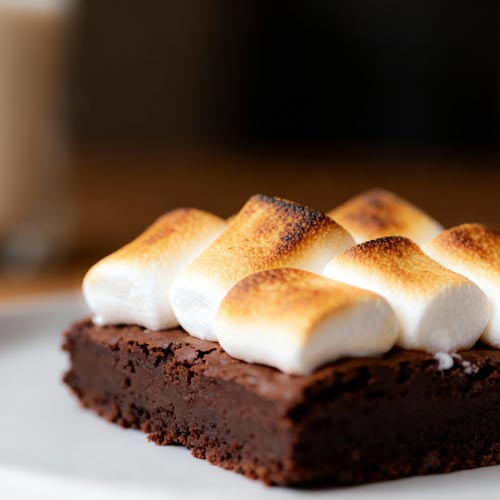
Take your classic fudge brownie and top it with a thick layer of mini marshmallows. Toast them until golden and serve immediately. The molten marshmallow melts into the chocolatey brownie, creating a rich, gooey, and utterly decadent dessert. It’s a simple upgrade that can become a signature item.

The “Campfire” Hot Chocolate

This is a fantastic winter seller. Prepare your best hot chocolate in a sturdy mug. Top it with whipped cream and a generous handful of Pink and White Mini Marshmallows. Use your torch to toast the top until it’s golden and bubbly. The warm, toasted marshmallow flavour infuses the entire drink, turning a simple beverage into a comforting, gourmet experience.

Toasted Marshmallow Waffles and Pancakes

After cooking your waffle or pancake stack, top it with mini marshmallows and some chocolate chips. Pop it under the grill for a minute or give it a quick blast with the torch. The marshmallows will melt slightly, creating a delicious, sticky topping that pairs perfectly with a scoop of vanilla ice cream or a drizzle of maple syrup.

A Deconstructed S’mores Plate

This is a fun, interactive, and highly shareable dessert. On a platter, arrange a small bowl of melted chocolate, a stack of digestive biscuits or graham crackers, and a pile of mini marshmallows. Give the marshmallows a quick toast with the torch right before serving. It allows customers to build their own s’mores at the table.

The Toasted Topping for Ice Cream & Gelato

A scoop of plain chocolate or vanilla ice cream can be instantly transformed with a toasted marshmallow topping. The temperature contrast between the hot, gooey marshmallow and the cold, firm ice cream is simply sublime.

Your Next Step Towards Toasted Perfection

Adding toasted marshmallow desserts to your menu is more than just a new recipe; it’s an investment in customer experience. It’s a touch of theatre, a dash of nostalgia, and a whole lot of deliciousness rolled into one. It shows your customers that you care about the details and are willing to go the extra mile to create something truly special.

Why not give it a try this week?

Watch your customers’ faces light up as you bring that beautifully golden, bubbling creation to their table. That’s the moment you’ll know you’ve found a little bit of gourmet magic.

Ready to bring the warmth and wonder of toasted marshmallows to your dessert menu? Explore our range of wholesale dessert toppings to order online.


This article was reproduced on this site with permission from operafoods.com.au the “Dessert Toppings Wholesaler”.
See original article:- Toasted Marshmallow Dessert Toppings.

Nostalgia Sells: How to Tap into This Dessert Topping Trend

tapping in to the nostalgia dessert toppings trend with white chocolate freckles

Walk into any café in Australia right now, and you’ll spot something: customers ordering “retro” desserts. Pancakes with toppings that their parents remember. Ice cream sundaes that look like they’ve stepped out of a 1970s diner. It’s not nostalgia for the sake of it but a genuine movement reshaping what people want from their desserts.

The food industry has a name for this dessert topping trend: newstalgia. Think of it as nostalgia with a modern twist. Customers aren’t after the exact desserts they had as kids. They want that feeling, of warm, fuzzy recognition, but dressed up in a contemporary, visually interesting way.

Here’s the thing: white chocolate freckles sit right in the middle of this trend. Almost every Australian adult recognises them, yet most cafés haven’t positioned them as a serious menu component. That’s the opportunity.

What’s Actually Happening in Dessert Right Now

The newstalgia movement is real, and it’s built on something pretty simple: familiar things feel safe, and safe things sell. After years of chasing the next exotic ingredient or wildly complicated technique, customers are swinging back to basics. They want things they recognise, things that trigger good memories.

But here’s the important part: they want it delivered in a premium way. It’s not about serving frozen treats in a paper cup. Rather, it’s about plating them beautifully and making them feel special. Letting customers participate in creating their own dessert, if possible. All of that—the thoughtfulness, the presentation, the interactive element—is what transforms a childhood memory into a café experience that feels worthwhile.

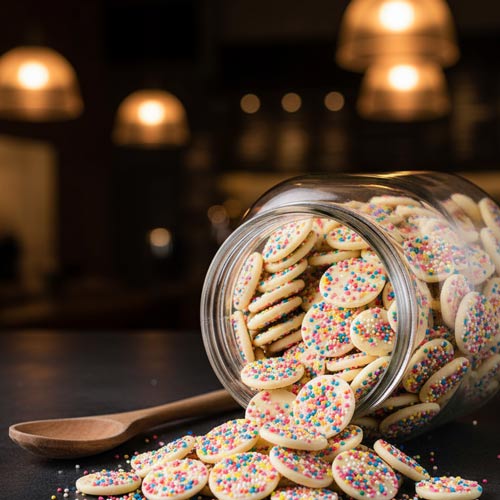
White chocolate freckles fit this perfectly because they’re instantly recognisable, visually striking with their rainbow non-pareils, and they work across multiple dessert platforms. They’re not the whole story, though. They’re one product that can help you capture the newstalgia trend. And that’s genuinely valuable if you haven’t yet tested the waters with nostalgic positioning.

The Real Opportunity: It’s Not About the Freckles

Before diving into the practical stuff, let’s be clear: this isn’t about selling more chocolate buttons. It’s about identifying a market shift and positioning yourself within it.

Customers spending money on desserts right now are responding to three things: visual appeal (does it photograph well?), emotional resonance (does it connect to something I remember?), and the feeling of personalisation (did I get a say in creating it?). White chocolate jewels contribute to all three.

They’re colourful, which means better photos. They’re a recognisable product that triggers “oh, I remember those!” instantly. And when you present them as a topping option—particularly in a self-serve dessert bar scenario or as an optional garnish—customers feel like they’re making a choice. That choice matters more than you’d think.

The broader point is this: if you’re competing on price, you lose. If you’re competing on complexity, you stress your team. But if you’re competing on experience—on making dessert feel special and personal—you’ve found the space where newstalgia lives. Freckles are one tool for doing that.

How to Actually Use Them: Four Approaches That Work

Kids’ Menus With Instant Appeal

The simplest starting point is a chocolate freckle sundae. It isn’t revolutionary, but it’s immediately appealing to both kids and parents. Add a cherry on top, a bit of whipped cream, and you’ve got something that photographs well and costs you very little to make.

The key is naming it something that sounds intentional, not just “sundae with topping.” Try “Rainbow Ice Cream” or “Colour-Pop Sundae.” Customers perceive these as premium choices, which means they’ll pay a bit more without question.

Self-Serve Topping Bars

If your café has a DIY dessert station, freckles belong there. They’re visually appealing, require zero preparation, don’t create a mess, and sit comfortably alongside other premium toppings like candied nuts or fresh berries.

Portion control is straightforward: small serving spoons naturally limit quantity whilst allowing customers to feel like they’re getting generous portions. This approach lets you price the entire build-your-own bowl experience at a premium without creating resistance.

Freakshake Garnish (Where Instagram Lives)

Milkshakes designed for social media—tall, layered, over-the-top—are genuinely popular in Australian cafés. They’re expensive to make, but the high margins exist because customers are largely paying for the visual experience.

White chocolate jewels finish these brilliantly. Pressed into whipped cream rims or scattered across foam tops, they’re immediately striking. The rainbow colours photograph beautifully under café lighting. Offer them as an optional add-on, and a decent percentage of your milkshake customers will upgrade just for the Instagram factor.

Finished Desserts With Thoughtful Garnish

The subtlest approach involves incorporating freckles into your standard desserts without making it a standalone decision. Warm pancakes get a sprinkle of jewels. Regular sundaes include them as standard garnish. Premium waffles finish with a light scatter.

This positions the topping as intentional plating, not cheap decoration. Customers experience it as thoughtfulness—as a sign you’ve considered presentation—rather than as an add-on. That perception shift is everything.

The Practical Stuff: Storage, Costs, and Staff Training

Where Freckles Fit in Your Workflow

Opera Foods’ White Chocolate Jewels come in 1kg packages, which breaks down to roughly 50-65 customer servings at 15-20 grams per portion. That means you’re working with a product that’s easy to portion, stores simply (ambient conditions, sealed container), and maintains quality for months. They also come in a catering pack size of 8kg.

Allergen warnings matter here: the product contains milk and soy; it may contain peanuts, tree nuts, and gluten. If you’ve got a kids’ menu, this matters more than usual, so make sure your staff can communicate it clearly.

Pricing Strategy

Freckles sit comfortably in the premium topping category. You can charge a modest premium as an optional add-on without resistance, particularly if you’re positioning them as an Instagram upgrade or a premium garnish. Incorporated into existing desserts, that cost disappears into your margin—customers don’t see it, but your profit margin improves.

Staff Training Is Basically Nonexistent

This is genuinely one of the biggest advantages. Freckles require no technical skill. There’s no blending, no cooking, no timing. Your staff needs to understand two things: why they’re special (Australian nostalgia, visually interesting) and where they go (sprinkle generously, they won’t be overused). That’s it.

If you’re launching a DIY bar, spend five minutes showing staff how much to offer in the serving bowl. That’s the sum total of training required.

Making It Feel Intentional: How to Talk About Freckles

Menu Language That Works

Instead of listing it as an ingredient, describe the experience it creates. Try:

“Rainbow Ice Cream—Vanilla served with white chocolate jewels for that perfect mix of childhood nostalgia and café sophistication.”

“Build Your Bowl—Choose your base, select your toppings (fresh berries, white chocolate jewels, candied nuts, edible flowers), and create your perfect dessert.”

“Freakshake with Jewel Finish—Instagram-ready in every sip.”

The language should feel conversational, not corporate.

What Your Team Should Say

Give your staff honest talking points rather than a script:

“These are freckles—Australian-made, and everyone remembers them from childhood.”

“They’re perfect if you want something that photographs really well.”

“We’re using them because they feel familiar but made special at the same time.”

Real, conversational language beats polished marketing speak every time.

Visual Presentation

Serve freckles in clear glass containers so customers can see what they’re choosing. Use white bowls when plating individual desserts—the contrast makes the rainbow colours pop. Photograph your finished desserts under warm café lighting (golden hour or pendant lights with bokeh work best). Those photos become your best marketing.

Wrapping Up

The newstalgia trend is real. Customers want familiar things served in thoughtful, contemporary ways. White chocolate freckles are one genuinely simple tool for capturing that. They require no training, photograph beautifully, and trigger instant recognition. They’re not a silver bullet, but they’re exactly the kind of small, low-risk menu addition that creates disproportionate value when executed thoughtfully.

Most Australian cafés haven’t yet positioned nostalgic toppings as premium menu components. That gap is an opportunity. Explore the full range of bulk lollies for more dessert topping inspo. Find out more about dessert topping trends for 2025.


This article was reproduced on this site with permission from operafoods.com.au the “Wholesale Café Suppliers”.
See original article:- Nostalgia Sells: How to Tap into This Dessert Topping Trend

Candy-Coated Chocolate Button Dessert Ideas

chocolate-button-topped-brownies-using-Opera-Foods-dessert-toppings

What is it about a splash of colour that makes a dessert instantly more appealing? As someone who has supplied countless dessert bars across Australia, I’ve learned that while flavour is king, we truly eat with our eyes first. And nothing brings colour, fun, and a satisfying crunch to the party quite like candy-coated chocolate buttons.

You know the ones I mean. Whether it’s the iconic M&Ms®, the tiny and versatile Mini M&Ms®, or custom single-colour buttons, these little gems are a great way to inject personality, texture, and pure, simple joy into your menu. In a competitive market where every dessert needs to be Instagram-ready, these colourful buttons are one of your most powerful and cost-effective assets.

So, how can you go beyond just scattering them on top of ice cream? Let’s explore some creative uses for Mini M&Ms and their candy-coated cousins to create desserts that look as amazing as they taste.

The Magic of the Candy Shell

Before we get into the specific ideas, let’s just appreciate what makes these little buttons so brilliant for a professional kitchen. It’s not just the chocolate inside; it’s the combination of features that makes them so special.

A Pop of Colour

This is the most obvious benefit. A handful of candy-coated chocolates can turn a plain vanilla cupcake or a simple scoop of ice cream into a vibrant, eye-catching creation. Colour equals excitement, and excitement sells.

The Perfect Crunch

The candy shell provides a fantastic textural contrast. Think soft-serve ice cream or a gooey brownie; the satisfying snap of the candy shell adds a layer of complexity that makes the dessert more interesting to eat.

No-Melt Magic

That candy shell serves a very practical purpose. It prevents the chocolate from melting and smearing all over your desserts, especially in the Australian heat. This means your creations look cleaner and more professional for longer.

Nostalgia and Fun

Brands like M&Ms® are universally loved. They tap into a sense of childhood nostalgia for adults and are an instant hit with kids, making them a safe and popular choice for family-friendly establishments.

Choosing Your Weapon: A Button for Every Job

Not all candy-coated buttons are the same. Understanding the different types and their best applications will help you make smarter choices for your menu.

Classic M&Ms®

These are the all-rounders. Their larger size makes them a substantial mix-in for baked goods, where they deliver a noticeable chocolate hit. They are perfect for creating those classic “monster cookies” or “M&M brownies” that are staples in many bakeries and cafes. Their bright, multi-coloured appearance is instantly recognisable and appealing.

Mini M&Ms®

Don’t underestimate the power of “mini.” These are, in my opinion, one of the most versatile toppings a dessert bar can have. Their tiny size means you get more colour and crunch in every single bite. They are perfect for:

  • Toppings: They are ideal for sprinkling over frozen yoghurt, sundaes, and milkshakes because they distribute evenly.
  • Rims: Their small size makes them perfect for creating a colourful, crunchy rim on a milkshake glass.
  • Baking: When mixed into batter, they don’t sink as easily as larger chocolate chips, providing a more even distribution of colour and flavour throughout the final product.

Single-Colour Candy-Coated Chocolate Buttons

This is where you can get really creative and sophisticated. Single-colour buttons are your secret weapon for creating themed desserts. Are you catering a wedding with a specific colour scheme? A corporate event with brand colours? Or maybe you just want to create a visually stunning ombre cake. Single-colour buttons give you the control to execute these ideas flawlessly.

Candy-Coated Dessert Ideas to Wow Your Customers

Alright, let’s get practical. How can you use these colourful buttons to create standout candy-coated chocolate button desserts?

The “Cookie Monster” Sundae

This is a guaranteed hit with both kids and adults and is a fantastic way to use Mini M&Ms®.

How to build it:

  1. Start with two scoops of a classic vanilla or cookies-and-cream ice cream.
  2. Crumble a chocolate chip cookie over the top.
  3. Add a generous drizzle of both chocolate and caramel sauce.
  4. Now for the magic: a heavy sprinkle of colourful Mini M&Ms®. They add a vibrant pop of colour and a fantastic crunch.
  5. Finish with a swirl of whipped cream and perhaps one more mini cookie for garnish.

“Paint-Splatter” Brownies and Blondies

This is a simple technique that creates an incredibly professional, artistic look.

How to create it:

  1. Bake your favourite brownie or blondie recipe.
  2. While it’s cooling, melt some white chocolate.
  3. Once the brownie is cool, use a spoon or fork to flick and drizzle the melted white chocolate over the surface in a random, “splatter” pattern.
  4. Before the white chocolate sets, immediately sprinkle over a mix of Mini M&Ms® or regular M&Ms®. They will stick to the melted chocolate, creating a colourful, textured, and visually stunning finish.

The Ultimate “Freakshake” Decoration

The Australian-born freakshake is all about over-the-top visual appeal. Candy-coated buttons are a must-have ingredient.

The Colourful Rim: Dip the rim of your milkshake glass in a thin layer of icing or melted chocolate, then immediately roll it in a bowl of Mini M&Ms®. This creates a professional-looking, edible rim that sets the stage for the main event.

The Final Flourish: After piling on the whipped cream, sauces, and other goodies, a final, generous cascade of candy-coated buttons is the perfect finishing touch.

Themed Desserts with Single-Colour Buttons

This is how you elevate your offering for events and holidays.

Christmas: Use red and green buttons to decorate cupcakes, cookies, and festive rocky road.

Easter: A mix of pastel-coloured buttons (pink, blue, yellow) is perfect for creating Easter-themed treats.

Australia Day: A bowl of green and gold buttons on your toppings bar is a simple but effective nod to the occasion.

Corporate Events: Matching the dessert colours to a company’s brand for an event is a high-value service you can offer.

Your Next Step to Candy-Coated Creativity

Candy-coated chocolate buttons are so much more than a simple sprinkle. They are a tool for adding colour, texture, fun, and value to your dessert menu. They are cost-effective, universally loved, and incredibly versatile. By thinking creatively about how you use them, you can develop signature items that are not only delicious but also incredibly photogenic, driving social media engagement and attracting new customers.

What can you do this week?

  1. Review your toppings bar: Could it use a splash more colour?
  2. Look at your baked goods: Could a simple sprinkle of Mini M&Ms® elevate your brownies or cookies?
  3. Brainstorm one new special: Try creating a “Cookie Monster Sundae” or a “Paint-Splatter Brownie” and see how your customers react.

By embracing the playful and creative potential of these little candy-coated gems, you can ensure your dessert menu remains vibrant, exciting, and irresistible.

Ready to add a splash of colour and creativity to your offerings? Explore the Opera Foods wholesale range of candy-coated chocolate buttons, including versatile Mini M&Ms® and a variety of single-colour options perfect for any theme. Let’s create something fun together.


This article was reproduced on this site with permission from operafoods.com.au the “Wholesale Café Suppliers”.
See original article:- Candy-Coated Chocolate Button Dessert Ideas

Dessert Toppings: The Art of Pairing

Ice-Cream-Dessert-Topping-Ideas-From-Opera-Foods

Ever had a dessert so perfect it made you close your eyes for a second? That’s the magic of a great pairing. As a dessert bar owner, you already know these moments turn a first-time visitor into a lifelong fan. It’s not just about having great ice cream or a fantastic brownie; it’s about how you bring all the elements on the plate together.

We have been in the ingredients business for a long time, and have seen that the most successful dessert menus are built on thoughtful combinations. Toppings aren’t just a final sprinkle; they’re a crucial part of the flavour equation. Getting your dessert topping pairings right can elevate a good dessert to an unforgettable one. It’s an art form, but luckily, it’s one with some simple principles you can follow.

So, how do you become a master of the sweet symphony? Let’s break down the art of pairing and explore some classic and creative flavour combinations for desserts that will delight your customers.

Why Do Dessert Topping Pairings Matter?

Before we get into the delicious details, let’s talk about why this is so important for your business. A well-paired dessert does more than just taste good.

  • It Creates a “Wow” Factor: A surprising combination always gets people talking.
  • It Demonstrates Quality: Thoughtful pairings show that you’re a business that cares about the details. It signals craftsmanship and elevates your brand.
  • It Justifies Premium Pricing: When a dessert is a carefully curated experience, customers are more willing to pay a premium for it.
  • It Simplifies Customer Choice: By offering a few stellar “chef’s choice” pairings on your menu, you can guide customers towards profitable, high-turnover items.

Now, let’s get into the fun part. What are the secrets to a perfect pairing? It all comes down to two key ideas: balance and texture.

The First Rule of Pairing: Complement or Contrast

When it comes to flavour, you have two main paths you can take. You can either complement the base flavour by echoing its notes, or you can contrast it with something completely different to create a bold and exciting combination.

The Power of Complementary Flavours

This is the most intuitive approach. It’s about taking a flavour and amplifying it. You’re essentially layering similar flavour profiles to create a richer, deeper experience.

So, how does this work in practice?

  1. Chocolate on Chocolate: A rich chocolate brownie is a classic. How can you complement it? Instead of just more chocolate, think about different forms of it. A smooth, warm sauce adds moisture and a silky mouthfeel. Mini chocolate buttons can add a bit of bite.
  2. Caramel and Brown Sugar: If you have a dessert with brown sugar notes, like a sticky date pudding or an apple crumble, a caramel sauce is a natural fit. It has that rich, buttery flavour that enhances the dessert’s inherent sweetness without overpowering it.
  3. Fruity with Fruity: A scoop of raspberry sorbet becomes even more intensely fruity with a swirl of raspberry coulis and a sprinkle of raspberry powder. You’re giving the customer three different expressions of the same fruit.

The key to complementary pairing is to vary the texture or intensity. You don’t want it to be one-note.

The Thrill of Contrasting Flavours

This is where things get really interesting. Contrasting pairings create a sense of discovery and excitement. You’re waking up the palate by introducing an unexpected flavour that cuts through or balances the base.

Here are some classic contrasting flavour combinations for desserts:

  • Sweet and Salty: This is probably the most famous example. The saltiness in a salted caramel sauce or sprinkled on pretzels cuts through the sweetness of a dessert, making it less cloying and more addictive. Try a salty pretzel crunch on top of a super-sweet caramel ice cream.
  • Sweet and Sour/Tart: A rich, dense cheesecake can feel quite heavy. Pairing it with a sharp, tangy lemon curd or a passionfruit coulis provides a burst of acidity that cleanses the palate and makes you want another bite.
  • Rich and Fresh: Think about a decadent, dark chocolate lava cake. Now, imagine it with a sprig of fresh mint and a few fresh raspberries on the side. The freshness of the mint and the slight tartness of the berry lift the whole dessert.

Don’t be afraid to experiment here. A little bit of contrast can make your desserts far more memorable.

The Second Rule: It’s All About Texture

Flavour is only half the story. A dessert that is all one texture—all soft or all crunchy—can be a bit boring. Great pairings play with a variety of textures to create a more dynamic and satisfying experience.

When thinking about your ice cream topping ideas, consider these textural elements:

1. The Smooth and Creamy

This is your foundation for luxury. A smooth, velvety sauce or topping adds a sense of indulgence.

  • Hot Fudge Sauce: The classic for a reason. There’s nothing quite like the combination of warm, gooey fudge sauce melting over cold, firm ice cream.
  • Marshmallows: Soft, pillowy Rainbow Mini Marshmallows provide a delightful chewiness that contrasts beautifully with both creamy ice cream and crunchy toppings. Imagine them in a rocky road sundae, paired with nuts and chocolate sauce. The textural variety is what makes it so good.

2. The Crunchy and Crispy

Crunch adds excitement and a satisfying bite. It’s the textural element that people often crave the most.

  • Nuts and Praline: Toasted almonds, candied pecans, or a crunchy peanut praline are fantastic additions to almost any dessert.
  • Crumbled Biscuits or Cookies: Think crushed cookies, chocolate crumble, or buttery shortbread pieces. They add a familiar flavour and a wonderful sandy or chunky texture.
  • Honeycomb: Adds a light, airy crunch that dissolves in your mouth with a sweet, slightly burnt sugar flavour. Smash chocolate honeycomb into smaller pieces to sprinkle over ice cream or mousse, or leave it in larger chunks for a more dramatic textural contrast.

3. The Chewy and Gummy

This category adds a playful, lingering texture to your desserts.

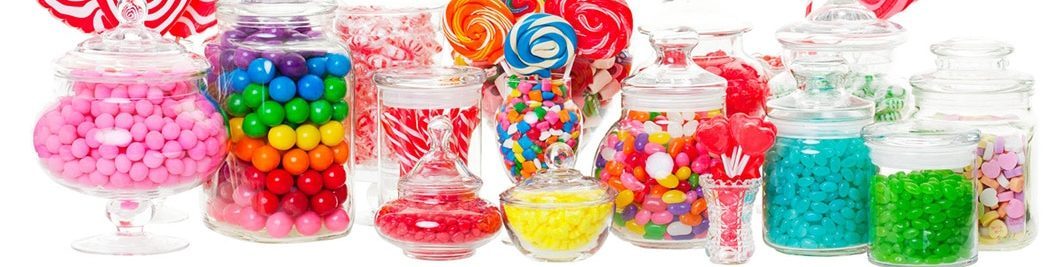
  • Lollies: Gummy bears, sour worms, or chopped jelly lollies can add a fun, chewy element. This works especially well for kids’ desserts or a “build-your-own” sundae bar.
  • Caramel or Toffee Pieces: Small chunks of chewy caramel or hard toffee provide little bursts of concentrated flavour and a satisfying chew. Caramel popcorn is an easy win.

Putting It All Together: Some Winning Combinations

So, how do we combine all these ideas? Let’s build a few perfect pairings for common dessert bases.

For a Warm Chocolate Brownie:

  • Flavour: Complementary.
  • Texture: Smooth and Creamy, Crunchy and Crispy
  • The Pairing: A scoop of classic vanilla bean ice cream, a generous drizzle of chocolate sauce to echo the brownie’s core flavour, and a sprinkle of crunchy caramel popcorn for textural contrast.

Simple, yet very, very effective.

For a Scoop of Strawberry Ice Cream:

  • Flavour: Complementary
  • Texture: Chewy and Gummy, Crunchy and Crispy
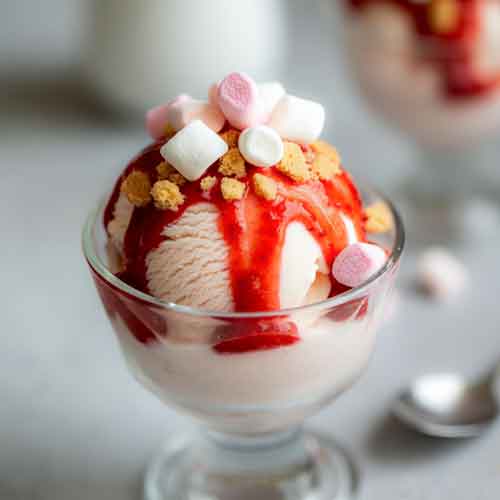
  • The Pairing: Add a swirl of strawberry sauce to amplify the fruit flavour. Then, add a handful of our soft, chewy Pink and White Mini Marshmallows and some crunchy, crumbled shortbread biscuit. It becomes a delicious take on a strawberry shortcake.

Again, it’s simple and super easy, yet truly elevating.

Your Turn to Play

The best way to become an expert at pairing is to start experimenting. Think of your kitchen as a flavour lab. Taste different combinations. Ask your staff for their opinions. Most importantly, listen to your customers.

Start by looking at your menu and your current topping selection.

  1. Identify one dessert that could be elevated with a better pairing.
  2. Think about its core flavour and texture. Does it need a complementary or contrasting flavour? Does it need crunch, chew, or creaminess?
  3. Choose one or two new toppings to create a “featured pairing.”

The art of pairing is your secret weapon. It’s how you add your unique signature to every dessert that leaves your kitchen and creates those special moments that keep your customers coming back for more.

Ready to find the perfect partners for your desserts? Browse our extensive wholesale range of dessert toppings.


This article was reproduced on this site with permission from operafoods.com.au the “Wholesale Café Suppliers”.
See original article:- Dessert Toppings: The Art of Pairing

Popcorn Dessert Ideas For A Creative Menu Upgrade

popcorn dessert ideas from Opera Foods

Popcorn in desserts? It might sound a little unusual at first, but let me tell you, it’s a game-changer. As a dessert bar or ice cream parlour owner in Australia, you’re always looking for that next big thing to wow your customers. That’s where popcorn comes in. It’s not just for the cinema anymore. This versatile, crunchy, and surprisingly customisable ingredient can add a whole new dimension of texture and flavour to your menu.

So, why should you consider adding popcorn to your sweet creations? It’s all about creating an experience. The satisfying crunch, the salty-sweet combination, and the visual appeal make popcorn an unforgettable addition. We’re going to explore how you can use this simple ingredient to elevate your desserts, making your offerings stand out in the competitive Australian dessert scene. We’ll cover some creative dessert ideas and share a couple of easy-to-implement recipes that will have your customers coming back for more.

Why Popcorn is Your Next Star Ingredient

Think about the latest Australian dessert trends. Customers are craving multi-sensory experiences. They want desserts that are not only delicious but also visually stunning and texturally interesting. Popcorn ticks all these boxes.

  • Texture is Everything: A common challenge in dessert making, especially with ice cream and mousses, is creating textural contrast. Popcorn provides an instant, airy crunch that beautifully complements smooth, creamy elements. It stops your desserts from being one-note.
  • The Perfect Flavour Carrier: Plain popcorn is a blank canvas. You can infuse it with countless flavours, from classic caramel and chocolate to more adventurous combinations like spicy chilli-lime or savoury parmesan. This makes it an incredibly versatile component for your creative dessert ideas.
  • Cost-Effective & Creative: Popcorn is an affordable ingredient, allowing you to create premium-looking desserts without a hefty price tag. It helps increase your profit margins while delivering a unique and high-value product to your patrons.
  • Instagram-Worthy Appeal: Let’s be honest, visual appeal drives sales, especially with social media. A sundae overflowing with colourful popcorn or a cheesecake adorned with a golden caramel popcorn crown is destined to be photographed and shared.

Creative Popcorn Dessert Ideas for Your Menu

Before we get to specific recipes, let’s brainstorm some ways you can start incorporating popcorn into your existing menu.

  • Elevated Ice Cream Toppings: Move beyond basic sprinkles. Offer a “Popcorn Bar” where customers can choose from different flavoured popcorns like salted caramel, dark chocolate sea salt, or even a spicy sriracha popcorn to top their scoops. It’s an interactive and fun upgrade.
  • Cheesecake and Pie Crusts: Swap out traditional biscuit bases for a pressed popcorn crust. Mix crushed popcorn with melted butter and a little sugar, press it into a tin, and chill. It creates a chewy, crunchy foundation that’s totally unique.
  • Garnish for Plated Desserts: Sprinkle a handful of popcorn over a chocolate lava cake, a creamy panna cotta, or a rich brownie. It adds height, texture, and a professional finish to your plated creations.
  • Mix-in for Doughs and Batters: Fold popcorn into brownie batter, cookie dough, or even pancake mix before cooking. The popcorn softens slightly but still provides delightful pockets of chewiness and flavour.

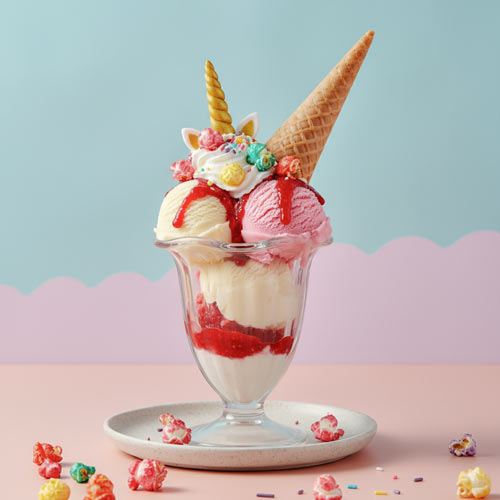
Recipe: Rainbow Popcorn Unicorn Sundae

This one is for the families and the young at heart. It’s vibrant, fun, and leverages the playful colours of pre-made popcorn to create a dessert that’s pure magic. This is a perfect addition for school holidays or weekend specials.

What you’ll need:

How to assemble it:

  1. Start with the Base: Begin by placing a dollop of cream or custard and a spoonful of coulis into a sundae glass or bowl.
  2. Add the Ice Cream: Drop in two or three scoops of your chosen ice cream.
  3. Add the Sauce: Drizzle a liberal amount of raspberry or strawberry coulis over the ice cream, letting it run down the sides.
  4. Top it Off: Add a swirl of whipped cream on top. For the final ‘unicorn’ touch, place an ice cream cone upside down into the cream to look like a horn.
  5. Get Colourful: Generously sprinkle with Rainbow Popcorn. Don’t be shy! You want it to be bursting with colour and crunch.
  6. Final Flourish: Finish with a light dusting of rainbow sprinkles over the whipped cream and popcorn. Serve immediately and watch your customers’ faces light up.

This sundae is not just a dessert; it’s an experience. It’s highly shareable on social media and taps into the ongoing love for colourful, whimsical food trends.

Top Tip: Add a unicorn birthday candle to make this a really special and memorable surprise.

Recipe: Salted Caramel Popcorn & Chocolate Tart

This recipe is a bit more sophisticated, perfect for your evening crowd or as a premium menu item. It combines the rich, decadent flavours of chocolate and caramel with the satisfying crunch of popcorn.

What you’ll need:

  • Pre-baked sweet pastry tart shells (individual or large)
  • Your favourite chocolate ganache recipe (a simple 1:1 ratio of dark chocolate to cream works well)
  • Famous Makers Caramel Popcorn from Opera Foods
  • A pinch of flaky sea salt

How to assemble it:

  1. Prepare the Ganache: Gently heat the cream until it’s just simmering. Pour it over the chopped dark chocolate and let it sit for a few minutes before stirring until smooth and glossy.
  2. Fill the Tarts: Pour the warm ganache into your pre-baked tart shells, filling them to the top. Tap the tarts gently on the counter to level the surface.
  3. Chill Out: Place the tarts in the refrigerator for at least 2-3 hours, or until the ganache is firm to the touch.
  4. Create the Topping: Just before serving, pile a generous amount of Famous Makers Caramel Popcorn in the centre of each tart. You want to create a rustic, impressive mound.
  5. The Final Touch: Sprinkle a tiny pinch of flaky sea salt over the popcorn. This small step cuts through the sweetness and elevates the entire flavour profile.

This tart is a perfect example of how popcorn can transform a classic dessert into something modern and texturally exciting. It’s a wonderful make-ahead option that only requires final assembly before serving.

Making Popcorn a Part of Your Signature

Incorporating popcorn into your dessert menu is a strategic move. It shows that you are innovative, in tune with Australian dessert trends, and committed to offering a unique customer experience.

Start small. Experiment with one or two popcorn-inspired specials and gather feedback. Promote them on your social media channels, highlighting the unique crunch and flavour combinations. By embracing an ingredient as simple and beloved as popcorn, you can create new, memorable desserts that will enhance your menu and delight your customers.

Explore some of our other dessert toppings, available to buy now in bulk at wholesale prices.


This article was reproduced on this site with permission from operafoods.com.au the “Dessert Toppings Wholesaler”.
See original article:- Popcorn Dessert Ideas For A Creative Menu Upgrade

Dessert Toppings And The Trends Shaping Australian Dessert Bars

3 soft serve ice creams with colourful candy toppings

Remember the simple days? A single scoop of ice cream was pure joy, maybe with a quick splash of chocolate sauce if you were lucky. Fast forward to today, and the Australian dessert scene has completely changed. For dessert bars and ice cream parlours, toppings are no longer an afterthought—they are the main event, a critical part of the customer experience.

As a wholesale supplier, we have a front-row seat to the innovative trends sweeping through our industry. We see what works, what wows customers, and what keeps them coming back for more. So, how can you leverage these changes? This post dives into the key dessert topping trends for Summer 2025 that are currently defining the Australian market, offering actionable insights to help you attract new customers, boost sales, and become a top dessert destination.

Why Topping Trends Matter for Your Business

Keeping up with trends isn’t just about being fashionable; it’s smart business. Today’s customers are more adventurous and digitally connected than ever. They look for unique, shareable experiences, and an innovative selection of dessert toppings can be the very thing that turns a passerby into a loyal fan.

By adapting to these trends, you can:

  • Broaden Your Appeal. Catering to diverse tastes and dietary needs, like vegan and gluten-free opens your doors to more people.
  • Increase Your Revenue. Exclusive and premium toppings can justify higher price points and increase average transaction value.
  • Generate Free Marketing. Visually stunning, “Instagrammable” desserts are your best and most authentic marketing tool.
  • Outshine the Competition. A creative, evolving menu keeps your brand fresh, exciting, and memorable.

Let’s explore the specific Australian dessert trends making the biggest impact.

Health & Wellness: Toppings for Mindful Indulgence

One of the biggest shifts in the food industry is the move towards mindful indulgence. Customers want treats that align with their health and dietary choices. This is no longer a niche market; it’s mainstream. For your dessert bar, this means offering a variety of plant-based, allergen-free, and even functional dessert toppings is essential.

The Rise of Vegan and “Free-From” Toppings

The demand for vegan toppings is booming in Australia, and your menu should reflect this. At the same time, providing safe and delicious gluten-free options is a powerful way to build trust with a growing customer segment.

How can you embrace this trend?

  • Think Beyond Fruit. Go beyond basic sauces. Offer indulgent vegan toppings like rich dark chocolate ganache made with oat milk, creamy cashew-caramel drizzles, or coconut-based whipped creams.
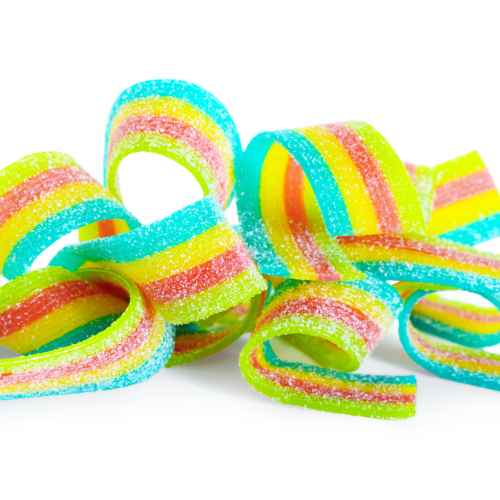
  • Select Smartly. Many classic lollies are surprisingly vegan or gluten-free. For example, our Sour Mix Lollies add a fantastic tangy kick and vibrant colour to gluten-free sorbets and ice creams.
  • Offer Gluten-Free Goodness. Light and fluffy Rainbow Mini Marshmallows are another gluten-free favourite that adds a pop of colour and a soft, chewy texture. Remember to implement clear procedures to prevent cross-contamination and keep your customers safe.

Functional and Fortified Toppings

The “wellness-in-desserts” movement is also gaining traction. Customers appreciate treats that offer a little something extra. You can add both nutritional value and exciting textures with functional dessert toppings like quinoa crisps, protein-rich granola, chia seeds, and superfood powders.

Nostalgia and Fun: The Playful Topping Trend

On the other end of the spectrum is the trend of pure, unadulterated fun. This is about tapping into the inner child and creating desserts that are joyful, colourful, and a little bit over-the-top. This approach is particularly effective for attracting families and young adults, your core demographics.

How to Create a Playful Menu

This is where you can let your imagination run wild. The goal is to create a sense of excitement and delight.

  • A Riot of Colour. Use colourful toppings to create visual appeal. A cascade of colour can turn a simple scoop of ice cream into a vibrant creation.
  • Interactive Elements. Set up a “build your own” sundae bar where customers can go wild with a huge assortment of lollies, sprinkles, and sauces.
  • Throwback Flavours. Reintroduce classic Australian lollies and treats as toppings to evoke a sense of nostalgia. Think crushed versions of your childhood favourites.

Flavour Innovation: A World of Taste

The Australian palate is becoming more adventurous, heavily influenced by global food trends. Sticking to the same old chocolate and caramel won’t cut it anymore.

Fusion Flavours Take Centre Stage

Look to international dessert scenes for inspiration.

  • Asian Influence. Toppings inspired by Korean, Japanese, and Thai desserts are incredibly popular. Think Thai-inspired toasted coconut flakes, Japanese matcha powder, or chewy mochi pieces.
  • Limited-Time Offers. Collaborate with other local businesses or even influencers to create exclusive, limited-edition toppings. This creates buzz and a sense of urgency for customers to visit.

Social Media: Designing for the ‘Gram

Let’s face it, we eat with our eyes first. In the age of social media, a dessert’s visual appeal is almost as important as its taste. Viral recipes and TikTok trends are directly shaping menus.

Creating Instagram-Worthy Toppings

Your toppings are key to creating a dessert that people can’t resist sharing online.

  • Visual Wow-Factor. Use toppings that are inherently photogenic. A riot of colour and carefully arranged toppings can transform a simple dessert into an explosion of visual appeal.
  • Embrace the Trends. Keep an eye on what’s trending on platforms like TikTok and Instagram. Consider how online fads can translate into lasting real-world menu innovation.

A customer taking a photo of their brightly-coloured, creatively-topped dessert and posting it online is an endorsement that money can’t buy.

Putting It All Together for Your Business

How can you take these dessert topping trends and make them work for your Australian dessert bar?

  1. Audit Your Menu. Review your current offerings. Where are the gaps? Can you introduce more vegan toppings, nostalgic desserts, or customizable options?
  2. Know Your Audience. Are you primarily serving families, young professionals, or tourists? Tailor your topping selection to what excites them most.
  3. Start Small. You don’t need to overhaul everything at once. Introduce one or two new trending toppings, and see how your customers respond.
  4. Tell the Story. Use your menu, signage, and social media to highlight what makes your new dessert toppings special. Are they locally sourced? Are they part of a fun, nostalgic theme? Let your customers in on the secret.

How Opera Foods Can Support Your Dessert Bar or Ice Cream Parlours

Here at Opera Foods, we are dedicated to helping dessert-focused businesses across Australia thrive in a competitive market.

By partnering with us, your dessert bar or ice cream parlour will be equipped to craft unique, high-quality offerings while ensuring efficient and stress-free operations. Let us help you create an unforgettable dessert experience for your customers!

The science of dessert is constantly evolving, and toppings are at the forefront of this sweet revolution. By embracing these trends, you’re not just adding new ingredients to your menu but crafting experiences, creating memories, and building a business that will thrive in Australia’s competitive dessert landscape.

Ready to sweeten your menu? Explore our extensive range of wholesale lollies and dessert toppings. We can even help with toppings that tap into the trend for health and wellness. Let’s create something delicious together.


This article was reproduced on this site with permission from operafoods.com.au the “Dessert Toppings Wholesaler”.
See original article:- Dessert Toppings And The Trends Shaping Australian Dessert Bars

What Makes Sour Lollies Sour?

what makes sour lollies sour

You unwrap a vibrant, sugar-dusted lolly, pop it in your mouth, and suddenly, there it is—an electrifying tang that makes your taste buds tingle. Sour sweets have a way of surprising, satisfying, and even challenging us with their sharp flavours. But what exactly causes that signature sourness? It turns out, the science behind sour lollies is just as fascinating as the experience of eating them.

The Key Ingredients That Bring the Sour

If you’ve ever wondered why sour lollies are so tangy, the answer lies in their ingredients. Specifically, the sourness comes from acids—don’t worry, these are safe, food-grade acids that are commonly found in nature and in many of the foods we enjoy.

The most commonly found acids in sour sweets are citric acid, malic acidand tartaric acid, with lactic acid occasionally present.

Citric Acid

Found naturally in citrus fruits like lemons and limes, citric acid delivers a sharp, zesty punch. It’s one of the most common ingredients in sour lollies because it creates an unmistakable tang.

Malic Acid

Known as the culprit behind the sourness of green apples, malic acid gives an intense, lingering sourness. This is what you’ll often find in “extremely sour” lollies like Warheads.

Tartaric Acid

Derived from grapes and tamarinds, tartaric acid has a dry, puckering quality. It plays well as a secondary acid to complement citric or malic acid.

Lactic Acid

Although it’s better known for its role in dairy products, lactic acid provides a gentle sour note. It typically acts as a milder alternative in certain sweets.

When these acids are used in the right proportions, they create the mouth-puckering sensation that defines sour lollies. But why do they make your taste buds react this way?

The Science of Sourness

Sourness isn’t just a flavour—it’s a science experiment happening right on your tongue. Your mouth can detect sourness thanks to hydrogen ions. Here’s how it works.

How Sourness is Perceived

When you eat sour lollies, the acids release hydrogen ions as they dissolve in your saliva. These ions interact with specific receptors on your tongue’s taste buds. The more hydrogen ions there are, the more intense the sour flavour becomes. Essentially, your tongue is sensing the solution’s acidity, which is measured using pH levels. The lower the pH, the sourer the treat.

The Extra-Sour Factor

Ever tried a lolly so sour it made your eyes water? That’s the result of high concentrations of acids, especially malic acid. Some brands go the extra mile by layering their lollies with super-sour powdered acid on the outside, giving you a powerful tang as soon as the lolly comes into contact with your tongue.

The Powdered Acid Coating That Packs a Punch

Picture this: you pop a sour lolly into your mouth, and immediately, there’s an explosion of tartness. That’s thanks to the powdered acid coating that’s carefully applied during production.

Burst of Tang

When manufacturers want to give their lollies an extra wow factor, they coat them with a layer of powdered acid—usually a mix of citric and malic acids. This fine powder dissolves quickly when it touches your saliva, delivering an intense, fleeting burst of sourness.

How Texture Plays a Role

The impact of the sour coating also depends on the lolly itself. For example:

  • Hard lollies offer a slow release of their sour flavour as they dissolve gradually.
  • Gummy or chewy lollies have a texture that combines the initial tang of the coating with a softer, sweeter flavour inside, keeping you hooked.

That balance of sweet and sour is no accident. It’s carefully engineered to make sure the overall taste is delicious, not overwhelming.

Why Do We Love Sour Lollies?

Now that we know how they are made, the next question is—why do we love them so much? It’s not just about the flavour; there’s a mix of psychology, nostalgia, and thrill that makes sour lollies irresistible.

The Thrill of the Challenge

Many of us have a love-hate relationship with sour lollies. The extreme puckering sensation can be a challenge, and for some, that’s the whole point. Trying to outlast friends in a “sour contest” or seeing who can handle the most sour lolly is just plain fun.

Nostalgia and Playfulness

For many Aussies, sour lollies evoke memories of childhood trips to the corner shop, sharing treats with friends, or surviving that first bite of an overpoweringly sour Warhead. They’re not just lollies—they’re little bites of nostalgia.

The Perfect Balance

Finally, there’s something uniquely satisfying about the balance between sweet and sour. The sharp tang wakes up your taste buds, but it’s quickly followed by a sweet reprieve. That contrast makes every bite exciting.

Next time you pick up a sour lolly, take a moment to savour more than just the taste—think about the fascinating science and skill that goes into creating that perfect tang. From the acids that interact with your taste buds to the powdered coatings that amplify the experience, sour lollies are little marvels of confectionery artistry.

We have many sour lollies to choose from, so why not explore the range today?


This article was reproduced on this site with permission from operafoods.com.au the “Bulk Lollies Suppliers”.
See original article:- What Makes Sour Lollies Sour?

Does Chocolate Contain Gluten?

does chocolate contain gluten

For many of us, chocolate is right up there with life’s greatest pleasures. But when you’re following a gluten-free lifestyle, enjoying your next block or bar comes with a few important questions. Chief among them: Does chocolate contain gluten? If you’ve ever stood in the confectionery aisle, squinting at ingredient lists and allergen labels, you’re not alone.

In this post, we’ll examine whether chocolate contains gluten and what you need to know to make informed choices about your favourite sweet treat.

What’s in Chocolate – The Basics

Let’s start with the building blocks. Good chocolate, whether it’s dark, milk, or white, is usually made with just a handful of ingredients.

  • Cocoa beans (roasted and ground into cocoa mass)
  • Cocoa butter
  • Sugar

Sometimes you’ll also find milk solids (in milk and white chocolate), vanilla, or emulsifiers like soy lecithin – none of which typically contain gluten. In theory, pure chocolate should be safe.

But here’s where it gets tricky. Chocolate is a bit like a blank canvas, ready to be painted with new flavours, fillings, and textures. When manufacturers add things like biscuit pieces, crispy cereals, or nougat, it’s easy to see how gluten sneaks in. Some chocolates even use barley malt as a sweetener or flavouring, which is another source of gluten.

And of course, we haven’t even started on the complications of cross-contamination.

Cross-Contamination and Gluten Risks in Chocolate

So what exactly is cross-contamination, and why is it such an issue for anyone avoiding gluten?

Simply put, cross-contamination occurs when gluten-free foods come into contact with something that contains gluten. In chocolate factories, it’s sometimes impossible to avoid, especially if a facility makes a wide range of products — imagine chocolate bars with biscuit inclusions being made on the same production line as plain dark chocolate. Even a minuscule amount of gluten can cause trouble for someone with coeliac disease.

Picture this scenario: A chocolatier runs dark chocolate bars in the morning, and then switches to a line of cookies & cream pieces (packed with wheat-based biscuits) in the afternoon. Unless a deep clean happens, traces of gluten could end up in that plain dark chocolate, even if wheat isn’t one of the ingredients.

Even packaging and storage can be an issue — shared bins or trays can introduce gluten into previously safe products. That’s why many chocolate wrappers in Australia carry statements like “may contain traces of gluten” or “manufactured on equipment that processes wheat.”

So, what can you do? As always, the advice is to always read the label even if you have bought that product before.

Australian Gluten-Free Labelling Laws

Under the Food Standards Australia New Zealand (FSANZ) code, a product can only be labelled “gluten-free” if it contains no detectable gluten, currently set at less than 3 parts per million (ppm). This is one of the most rigorous thresholds in the world, making it easier for people with coeliac disease or severe gluten sensitivity to find products they can enjoy with confidence.

The Importance of “Low Gluten” vs “Gluten-Free”

You might see some chocolates labelled “low gluten.” Be cautious! Under Australian law, these can contain up to 20 ppm of gluten. While this is still a very small amount, it’s too high for many people with coeliac disease and is more suitable for those with a mild gluten intolerance.

Always look for the explicit “gluten-free” label if you’re highly sensitive.

Decoding Chocolate Labels: What to Look For

Next time you’re treating yourself, here’s what you should keep an eye on.

Gluten-Free Certifications: Some products carry logos or certifications from trusted organisations, like Coeliac Australia. These are your safest bet.

Ingredients List: Go beyond the bold allergens and scan for hidden culprits like barley malt extract, wheat glucose syrup, or wheat starch. While some wheat-based ingredients can be processed to remove gluten, not all are considered safe under FSANZ rules.

Advisory Statements: If a packet says “may contain traces of gluten,” it’s a sign that cross-contamination is possible. For someone with coeliac disease, it’s usually best to steer clear.

What About ‘Made Without Gluten’?

Let’s first be clear here: ‘made without gluten’ is not something you will find on a label. But as more and more people are looking for products to suit a lifestyle choice, the distinction is important. If this is you, then chances are, for whatever reason, you choose to avoid wheat and other gluten-containing grains. Yet you are not sensitive enough to be worried about cross-contamination or derivatives.

For you, checking the label for wheat (and barley or rye where applicable) should be enough for you to steer clear. Gluten-free legislation and widening availability of gluten-free products that make foods safe for everyone are a huge step forward and deeply important. However, make no mistake that this is also big business, and by jumping on this lucrative bandwagon, you may be simply paying a premium for a product you don’t need.

Again, it is about getting into the habit of always reading labels and taking control over what ingredients are right for you.

Types of Chocolate and Their Gluten Risks

Let’s break down some common types of chocolate products and where gluten risks often pop up.

Plain/Dark Chocolate

More often than not, simple dark chocolate made with just cocoa solids, cocoa butter, and sugar (and perhaps a little vanilla or soy lecithin) is gluten-free, provided it’s manufactured in a gluten-free environment. Still, always read the labels and check for warnings about cross-contact.

Milk Chocolate

Similar to dark chocolate, basic milk chocolate usually avoids gluten, but always double-check! Some milk chocolates sneak in malt flavourings, which often contain barley.

Filled and Flavoured Chocolates

Here’s where you need to be extra cautious. Anything with crispy inclusions (like biscuits or wafers), caramel, nougat, or even “cookies and cream” varieties often has gluten-containing ingredients front and centre.

Chocolate Blocks vs. Bars vs. Novelty Items

Individual bars, boxed chocolates, or novelty shapes (think Easter eggs or Santas) could be made in facilities bustling with gluten ingredients. Plus, seasonal products sometimes use different suppliers or factories, so a brand’s regular line might be safe, but their holiday edition not so much.

Chocolate Coatings

Beware of anything coated in chocolate, like liquorice, nuts, or dried fruit. Even if the core ingredient is gluten-free, the coating or process may not be.

International Imports — Take Note

If you’re browsing the imported chocolate aisle, be extra diligent. International standards vary. For example, in the EU and USA, “gluten-free” can be up to 20 ppm of gluten, about seven times Australia’s threshold.

Sometimes recipes, suppliers, or cross-contact protocols are different for Australian versions of international chocolates, so be wary of online forums or overseas recommendations unless the product is also sold and labelled for the Australian market.

Is Cocoa Gluten Free?

Generally, cocoa powder is considered gluten-free because it is made purely from cocoa beans, which do not naturally contain gluten.

The process of grinding roasted cocoa beans into powder does not usually introduce any gluten-containing ingredients. However, it’s important to check for any added flavourings or sweeteners, as these can sometimes include gluten. As always, cross-contamination during manufacturing is another factor to consider, especially if the facility also processes products containing gluten.

For those with celiac disease or gluten sensitivity, opting for brands that clearly label their cocoa powder as gluten-free or use dedicated gluten-free facilities can provide extra peace of mind.

You can find out more about gluten in cocoa and why it is an invaluable ingredient, in our article ‘Is cocoa gluten free?‘.

Gluten-Free Chocolate: Frequently Asked Questions

Let’s tackle some common queries you might have:

Q: Can I trust chocolate labelled ‘gluten-free’ in Australia?

A: Yes, Australia’s labelling laws are very strict. If something is labelled gluten-free here, it meets the FSANZ standard of no detectable gluten.

Q: Are all dark chocolates gluten-free?

A: Not always! Many are, but some brands add malt, biscuits, or use shared lines with wheat products.

Q: What about hot chocolate powders or drinking chocolate?

A: Always check the label. Many contain malt (from barley) or are made in facilities that also process gluten-containing mixes.

Q: Which chocolate spreads are gluten-free?

A: Again, look for certified products. Many hazelnut spreads or chocolate nut butters are safe, but some cheap brands use wheat-based thickeners.

Q: Is white chocolate gluten-free?

A: Usually yes, if it’s just cocoa butter, sugar, and milk solids, but flavoured varieties or filled treats may contain gluten.

Final Thoughts

Living gluten-free shouldn’t mean missing out on life’s sweetest moments. Thanks to Australia’s rigorous food safety standards, clear labelling, and a supportive community of brands and consumers, there are more gluten-free chocolate options than ever before.

So next time you’re craving something sweet, you’ll know exactly what to look for—whether that’s a block of rich, dark chocolate or a tray of homemade truffles. Take a moment to savour your treat, knowing it’s safe and just right for you.

Explore our massive range of treats and lollies, some of which are certified gluten-free.


This article was reproduced on this site with permission from operafoods.com.au the “Bulk Lolly Suppliers”.
See original article:- Does Chocolate Contain Gluten?